2 hours ago
“Hope dies last”, French television writes for Kosovo war disappearances
Periskopi(5 years ago)
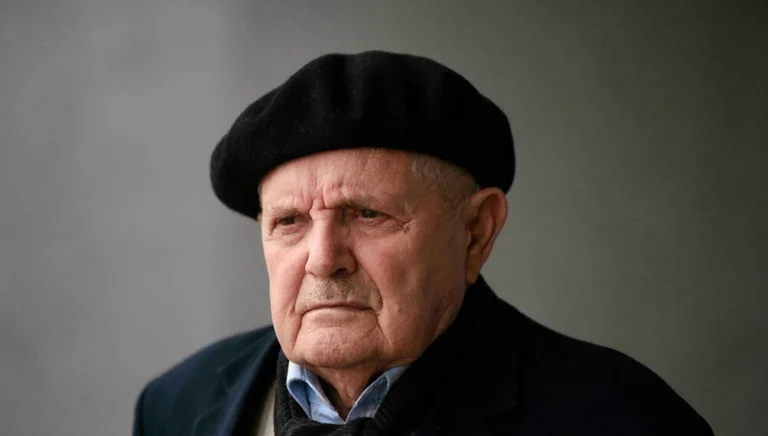
(5 years ago)More than two decades have passed since the war broke up Kosovo, but the trauma caused by it still continues for Bajram Cerkin and other relatives of those still considered missing. “The war has not yet ended in my family”, says 82-year-old, an ethnic Albanian whose son, Reshat, is [...]
“The war has not yet ended in my” family, says 82-year-old, an ethnic Albanian whose son, Reshat, is among the missing. My wife still listens to his steps and voice during the night”.
So begins writing about the history of Cherkin and other missing persons from war, French television “France 24”.
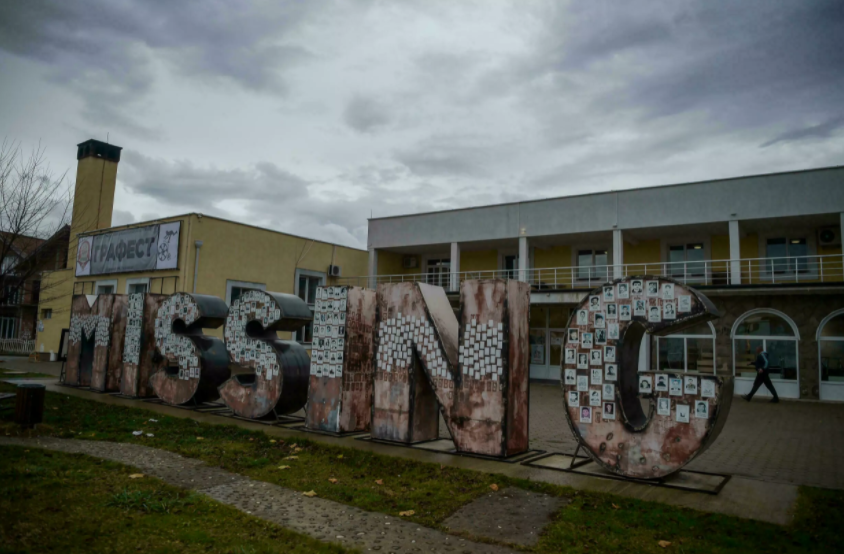
Thousands of others disappeared, many of whom were kidnapped during the time of ethnic cleansing and later killed until their bodies were thrown into mass graves, water wells, or burned.
In the post-war years, forensic experts from around the world went to Kosovo in an effort to identify remains and return to their families, as well as to document possible war crimes. In some cases only small pieces of bones were found and handed over to families.
But not all were found, 1625 people are still not officially found, according to Kosovo authorities.
French media continues the confession, saying that the fate of the missing is one of many hot issues preventing talks between Kosovo and Serbia.
Kosovo officials continue to criticise Serbia for its procrastination, often accusing its officials of refusing to reveal the whereabouts of more burial sites.
During recent war moments until Serbian forces withdrew from Kosovo in the midst of NATO bombings, mass graveyards across Kosovo were soon discovered to take up the bones and return trucking to Serbia with the aim of hiding crime evidence.
Since the end of the war, about 1,000 Kosovo Albanian troops have been exhumed from several countries across Serbia, including hundreds from a mass grave in a special police unit post near Belgrade.
“Trying to conceal a crime, they committed another”, says Andy Hoti, chairman of the Kosovo Committee for Missing Persons, whose father still remains undiscovered.
Similar problems continue with neighbouring Bosnia, where experts are still trying to find mass graves near Srebrenica, where about 8,000 Muslim men and teenagers were killed by Serb forces.
The “is becoming increasingly difficult to find mass graves. We are still looking for more than 1,000 people”, said Almas Salihovic, spokeswoman for the Srebrenica Memorial Centre.
But even when waste is finally discovered, new trauma is often caused.
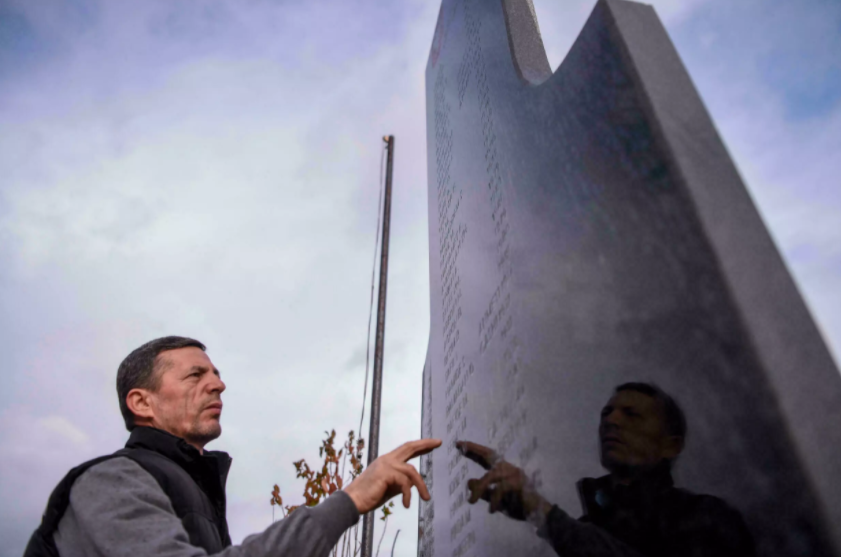
In October, Vesel Rukoli was informed that remains belonging to his father and uncle had been unearthed from a tomb months ago in Kizevac, Serbia.
Their remains came five years after some of his uncle's remains were found in another village in Serbia.
His uncle was killed in April 1999 after Serbian forces massacred about 40 people in the village of Rezalla in Kosovo.
Until Serb forces left the scene, they used a bodozer to extract troops, tearing up many of their victims.
Although most of those killed and missing from war are ethnic Albanians, many Serbs are still unaware of a point Belgrade often raises in the fight with Kosovo officials.
Officials in Pristina insist they are taking the issue seriously, with five undiscovered locations in Kosovo being dug up in search of Serb war victims.
For more than 22 years, Svetlana Marinkovovic has waited to hear of her husband's fate after he disappeared just days after the end of the conflict.
Maybe tomorrow we'll find out”, Marinkovic from Gracanica told AFP.
“Hope dies last”