a few seconds ago
American Senator: Russia is trying to create an excuse for war
Periskopi(4 years ago)
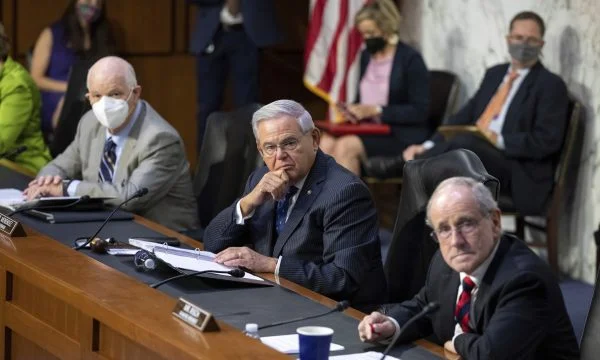
(4 years ago)The chairman of the US Senate for Foreign Relations Committee said that the security proposals Moscow has presented, aimed at stressing the situation following the gathering of Russian troops near the Ukrainian border, are clear that Russia is “ttens to create a pretext for war”. US Senator Jim Rich (Repuan from Idaho) said [...]
The chairman of the US Senate for Foreign Relations Committee said that the security proposals Moscow has presented, aimed at stressing the situation following the gathering of Russian troops near the Ukrainian border, are clear that Russia is “ttens to create a pretext for war”.
US Senator Jim Rich (public from Idaho) said on December 18th that Russia's proposals are not an agreement for security, but the list of concessions the United States and NATO must make to please Russian President Vladimir Putin.
The proposals, which were presented on 17 December by the Russian Foreign Ministry, require that the North Atlantic Alliance (NATO) ban East enlargement and Moscow requires restrictions on the Alliance's military activity in Eastern Europe, including restrictions on co-operation with Ukraine and Georgia.
“The RussianFederata made these requests, well knowing that they are completely unacceptable”, Rich said.
“Putin knows that the United States and our 29 allies in NATO will not negotiate the future of sovereign nations like Ukraine, which should be able to make its” elections, he added.
Senator Rich called on the US President Joe Biden's administration and NATO allies to reject those requirements, but said the Alliance must be prepared for Putin to use the refusal of requests as an excuse for use of the military force. He also urged US Congress and administration to act before Russia escalates the situation further.
Currently, Russia has deployed around 100,000 troops near the Ukrainian border. The U.S. says that with this move, Moscow is preparing to invade Ukraine.
Russian proposals, aimed at some of the security advancements that NATO has made in Eastern Europe and former Soviet states since the years of '90s, come at a time when tensions between Washington and Kremlin have reached the level after the Cold War.
An American administration official said on December 17th that some of the Russian proposals were unacceptable “”, but said other proposals “deserve to be discussed”.
This official said the US would consult with its allies, including Ukraine, before responding to Russia regarding the proposals.
Tensions between Russia and Kiev have been high since 2014, when Russia annexed the Ukrainian Crime Peninsula and launched military, political and economic support for separatists fighting in eastern Ukraine.
Moscow denies that it is directly involved in the conflict east of Ukraine, despite evidence proving otherwise.