an hour ago
EU Council today discusses Kosovo- Serbia
Periskopi(5 years ago)
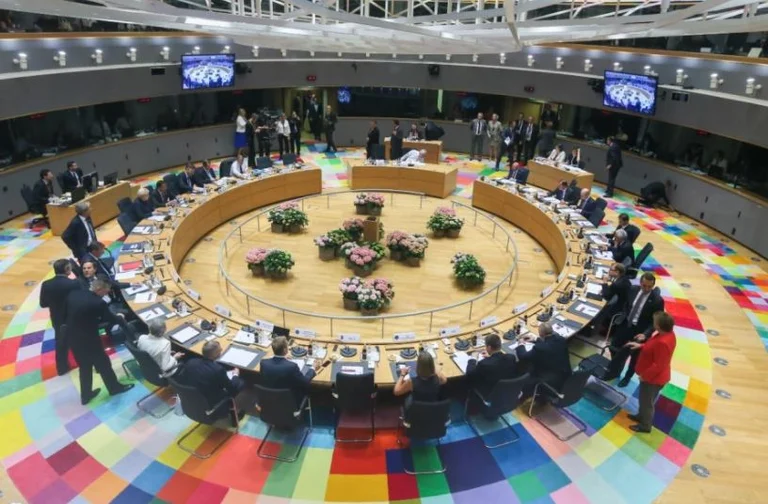
(5 years ago)EU foreign ministers will have the commitment and situation in the Western Balkans at today's meeting in Brussels as the first point. The ministers will discuss dialogue between Belgrade and Pristina, while the document for discussion is prepared by the EU Foreign Policy Service (EEAS). The document says that in the months [...]
The ministers will discuss dialogue between Belgrade and Pristina, while the document for discussion is prepared by the EU Foreign Policy Service (EEAS).
The document says that in recent months “there has been no progress in the” dialogue, and that the general atmosphere about talks between Belgrade and Pristina is “the complex”.
“Fokus must return to implementing obligations still unfulfilled by dialogue, should improve the atmosphere through concrete positive moves and work on progress towards a comprehensive normalisation agreement, and therefore in the European future of Kosovo and Serbia. “, said in the document prepared for ministerial discussion.
Member states are urged to continue supporting EU mediators in the dialogue, Joseph Borrell and Miroslav Lajcak, and in a high “dialogue with Belgrade and Pristina”.
In addition to dialogue between Belgrade and Pristina, EU-27 ministers will discuss the situation in Bosnia and Herzegovina, which Brussels estimates is currently in the worst political “crisis since the adoption of Dayton”.
The EEAS stresses that the solution can be seen in dialogue, primarily within BiH, and that no formal proposal for the possible removal of sanctions for resolving the political blockade in BiH has arrived so far in Brussels.
At the meeting in Brussels, the foreign ministers will also discuss sanctions on Belarus because of the situation with immigrants on the borders with Poland and Lithuania.
The ministers will not approve new restrictive measures Monday, but will adopt the legal framework for the introduction of the fifth package of sanctions on the official Minsk, this time against those responsible for the migration, humanitarian and geopolitical crisis on EU external borders. /KP