an hour ago
Add HIV/ AIDS in Kosovo
Periskopi(5 years ago)
(5 years ago)World War Day Against AIDS, which is marked every December 1st, finds Kosovo this year with eight new cases of infected people. The figure speaks of increased cases compared to last year, during which two were registered. In 2019, meanwhile, six new cases were recorded. AIDS causes the virus [...]
The figure speaks of increased cases compared to last year, during which two were registered.
In 2019, meanwhile, six new cases were recorded.
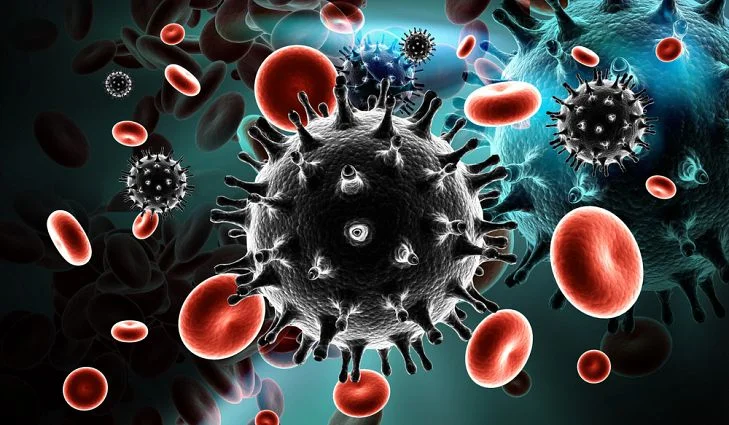
AIDS causes HIV virus, which damages the human immune system, leaving it exposed to severe infections.
Chief of the HIV Department within the Infectious Clinic of the University Clinical Centre of Kosovo, Murat Mehmeti, tells Radio Free Europe that, currently, all cases of HIV positive are being handled in domestic conditions, as according to him, they do not need hospitals.
We have eight new cases in 2021. With these eight new cases, we have 41 cases [of HIV] we currently have under treatment of”, Mehmet says.
The number of new cases this year confirms the HIV Unit chief/ AIDS at the Kosovo National Public Health Institute (IKSHPK), Luljet Gashi.
That's it. So, eight [new] cases have the Infectious Clinic”, she points out.
Coronervirus ' pandemic, which in some periods has caused a large flow of patients in hospitals, has not rarely made it difficult to treat other diseases.
Last year, in some cases there have been setbacks with regard to conducting routine tests of people living with HIV.
But during this year, according to Mehmet, all people affected by this virus have been provided with constant therapy, while routine tests have also been conducted that are envisioned within the year.
These [ HIV persons], at any moment, are not without therapy. Even the most important tests that we are working on, with the goal of monitoring them in an immune and viral way, we have done them regularly. Since preferred, usually at least twice a year, we have accomplished it by 2021. We've done these immunological and virological tests twice. We did it in March, and now, in the last month, we've done it a second time --”, Mehmet says.
Free Europe Radio Addressed I The KSHPK's question of what the number of HIV tested in Kosovo is in 2021, but, until the moment it is published, it has not been answered.
Chief HIV Unit/ AIDS at this institute, Luljet Gashi, says IKSHPK gets the results of tests from all centers and labs, doing HIV virus tests, and that details about them will soon be published.
The “in the National Institute is the reference laboratory. It confirms the positive cases, which are tested in other countries, in private labs, in nongovernmental organisations working with high risk groups”, Gashi says.
Centre for Counseling and Treatment of Poverty “Labyrint” in Pristina has tested over 500 people for HIV virus this year, says centre leader Safet Blakaj.
According to him, the figure is over twice as high as about 250 tests conducted last year.
“Brend this year, the number of tests has been 535. Fortunately, no positive results have been made with regard to HIV”, Blakaj says, adding that this data was sent to the Ministry of Health and IKSHPK.
The rise in HIV testing in 2021, Blakaj sees it as a restoration of the test routine, which has been mired in early pandemic in 2020.
This, he says, means even greater awareness of those who want to prove or avoid their doubts about the HIV virus.
The head of the HIV Department at the Infectious Clinic, Murat Mehmeti, says some of the persons affected by HIV in Kosovo have also been infected with coronarys.
“has been affected [by the disease causing the Coronavirus, COVID-19], which has gone through with very little trouble, with an easy situation. Unfortunately, we had a person or a patient who had COVID-19 and ended up in death. I'm talking from all these patients”, says Mehmeti.
In Kosovo, the first HIV/ AIDS registered in 1986.
According to the IKSHPK, from that time until December 2020, 132 HIV cases have been recorded. So far, over 50 of them have died.
With these figures, Kosovo ranks among the low-scale AIDS countries, but risk factors for it are socio-economic developments.
HIV can be transmitted through exchange of various body fluids from infected individuals. / REL