6 minutes ago
Waiting for implementation of crisis agreement in northern Kosovo
Periskopi(5 years ago)
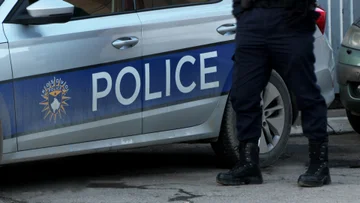
(5 years ago)Members of the Social Democrat Party decided in the Kosovo government's cars contagious letters with license plates that look like those issued by Serbia for Kosovo Serbs' cars in symbol of dissatisfaction with the earlier day agreement reached in Brussels for the extension of the situation in the country's north. Under the Kosovo agreement ʹ [...]
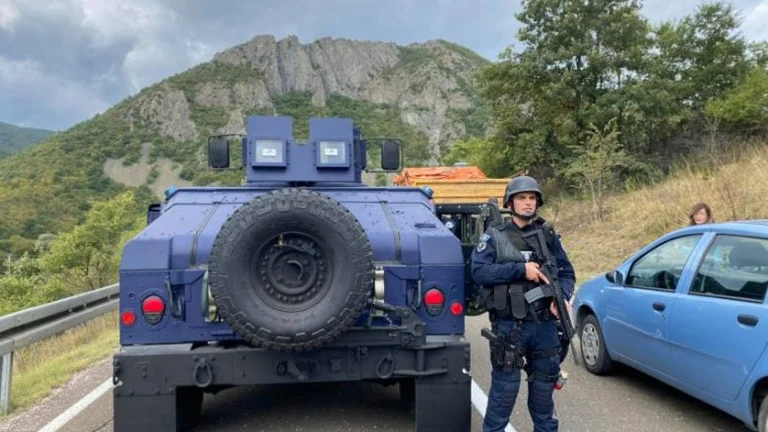
Under the Kosovo agreement, Serbia, which followed tensions over the government's decision in Pristina to impose reciprocity measures for the use of car plates, barriers imposed by Serb protesters and special police units from border crossings in the Serb-dominated north must be removed on Saturday.
NATO-led peacekeeping forces will secure border crossings for two weeks.
On Friday, NATO Secretary General Jens Stoltenberg hosted the European Union's envoy for Kosovo talks, Serbia, Miroslav Lajcak, to discuss as being told to expand the situation in northern Kosovo. Mr. Stoltenberg in a post on social networks stressed that KFOR forces will continue to provide a secure environment and freedom of movement.
From Monday, according to the agreement, the putting of stick cards on the license plates of both sides will be implemented until the finding of a final solution, for which a working group will start working on October 21st.
The agreement was welcomed by Western diplomats as he was sharply criticised by opposition parties in Kosovo, which said that with this, the Kosovo government gave up sovereignty in the country's north.
The agreement is expected to end the situation in northern Kosovo, where groups of Serbian citizens still today on the twelfth day are keeping the roads leading to border crossings with Serbia, Jarinje and Brnjak, in protest of the Kosovo government's decision on car plates.