a minute ago
A thousand years ago, Vikings were in America. Amazing technique as the year was discovered.

Periskopi(5 years ago)
(5 years ago)Vikings from Greenland the first Europeans to have trampled America had lived in a village in Canada a thousand years ago, according to research published Wednesday. Scientists have known for many years that Vikings had built [...]
Scientists have known for many years that the Vikings a name given to the Scandinavian peoples by the English had built a village in Los Angeles aux Meadows in Newfoundland only 21 years after entering the second millennium, or 1021.
However, the study published in Nature magazine is the first to set the correct date, reports NBC.
Explorers ) who were as many as 100 people, women as well as men cut trees to build ships and repair ships, and the new study also set the exact date indicating that when at least three trees were cut down, which was flat 1000 years ago or 470 years before Christopher Columbus arrived in Bahame in 1992.
“This is the first time a date is scientifically set,” said archaeology, Margot Quitems.

“Earlier, the date was based on the saga ʹ oral history that had set the date somewhere in the 13th century, at least 200 years after the events had occurred, it added.
The first Norses to settle in Greenland were from Iceland and Scandinavian, and the arrival of explorers in America is the first time that mankind had touched the entire globe.
But this had not lasted long. Research shows that Vikings had lived in L'Aux Meadows for three to 13 years before leaving the village and returning to Greenland.
The scientific key to determining the date when the Vikings arrived in America was to increase the natural radioactivity of the carbon form found in the ancient parts of the wood from that location - some sticks, parts of the tree's trunk, and what seemed to be pieces of wood.
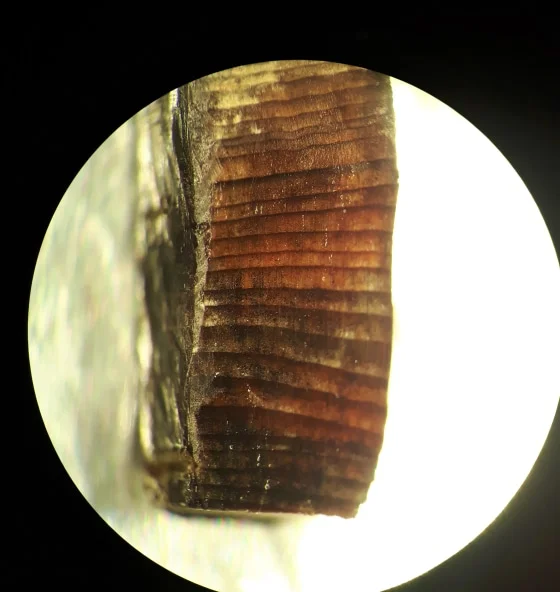
Since there were also indigenous peoples in the area, before and after the arrival of Vikings, researchers made sure that each part was cut down with metal alloys that the indigenous people did not have.
Archaeologists have long relied on radiocarbon dating to find time for organic materials such as wood, bones or coals, but the latest study used the <x0-seconds space ray technique”.
Earlier studies had established 933 when such a cosmic ray had occurred.
Trees receive carbon dioxide as they grow, and so researchers used radioactive carbon to determine which of the annual wooden growth rings was 933.
They then used a microscope to count the final growth rings, given the exact year when the tree stopped growing, in other words, when it was cut off by Vikings.
To their surprise, each of the three pieces of wood they tested was in 1021, although they were of three different trees two fir trees and one swift. /Periscope