 an hour ago
Why only Ferronikli was shut down from electricity prices in Kosovo
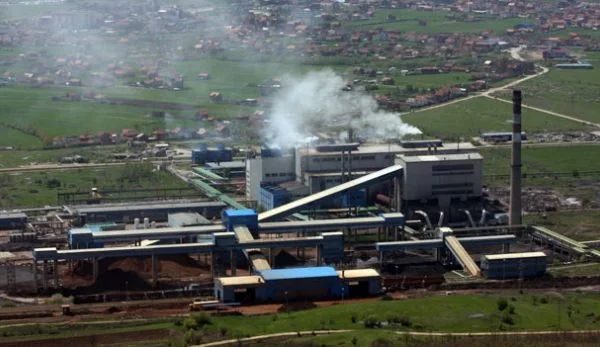
Periskopi(5 years ago)
(5 years ago)The global energy crisis has badly hit Kosovo consumers self-fortunation. There are four of the largest factories in the country, including Ferrnikil. These consumers are on the free market, so liberalised, because they're locked in 110kV lines. And the Ferronic that imports electricity itself has already made a ban on production, since it does not...
These consumers are on the free market, so liberalised, because they're locked in 110kV lines. And the Ferronic that imports electricity itself has already banned production, since it can no longer afford electricity prices.
Up to this situation has come after electricity prices on international beads have nearly fivefold compared to last year, reaching over 200 euros per megawatt/hour. And this Ferronikin has brought it into disproportionate production.
“Management has made intensive efforts to avoid the decision to cut production, but this situation has become inevitable, especially with the rise in the price of energy in Europe over the past several weeks”, the company's announcement to the media says.
But why did Ferronikli get so hit, while other consumers continue to suffer nothing at all. In KEDs, they explain.
“Ferronkel is not our consumer, as it has passed into the liberalisation process. So it's not a fixed consumer, and therefore it doesn't have fixed prices, but it has to buy electricity on the open market. Otherwise, prices for our consumers have not changed”, said Victor Buzhala, ECDS spokesman.
In the same situation are other factories in the region or in Europe or Asia that spend a lot of electricity. They're closing up until this crisis passes. Some of the world's industrial giants already have that destiny.
“The exit will be until the normalisation of these prices. Can't afford production at this energy cost”, producers have found out, international media reports.
Electricity prices rise dramatically as a result of increased natural gas prices. This increase occurred because of the soil demand from China for Russian gas and the countries of the former Soviet Union. At the same time, reopening and recovery of the economy in Europe increased energy demand. This created a chain effect, and the result surprised the entire ancient continent.
This crisis is impossible to put aside even Kosovo, given that the import supply is done through the same system. Given that the demand for consumption during winter is high and cannot be covered by production even if it is produced with full capacity, Kosovo will be forced to buy large quantities of import in this common market and at higher prices ever marked.
The spokesperson Buzhala said that this depends on different factors, “Consum depends on many factors such as the weather, the use of electricity for heating, the functioning of all the dynamics of the electromagnetic system, and the latter, the global energy crisis. It is known that Kosovo does not have enough production to cover the demand for consumption. That makes us dependent on import, specifically if we talk about winter”, he said.
According to Buzhala, with trends last year, 40% of consumption should be covered by import in high consumption hours. This could make the situation very difficult if this trend of the global energy crisis continues even during the winter season. Some states have already admitted that the crisis has knocked on their door, and have also begun calling for savings and prudent spending of electricity. Even as KEDS invited consumers to find other heating alternatives so that the energy crisis that has already infected many countries” can be overcome, he stressed.
This crisis is impossible to put aside Kosovo as well. Given that the demand for consumption during winter is high and cannot be covered by production even if it is produced with full capacity, Kosovo will be forced to import large amounts to this common market and at higher prices ever marked.











