a minute ago
The same goes on: EP criticises EU for not lifting Kosovo visa
Periskopi(5 years ago)
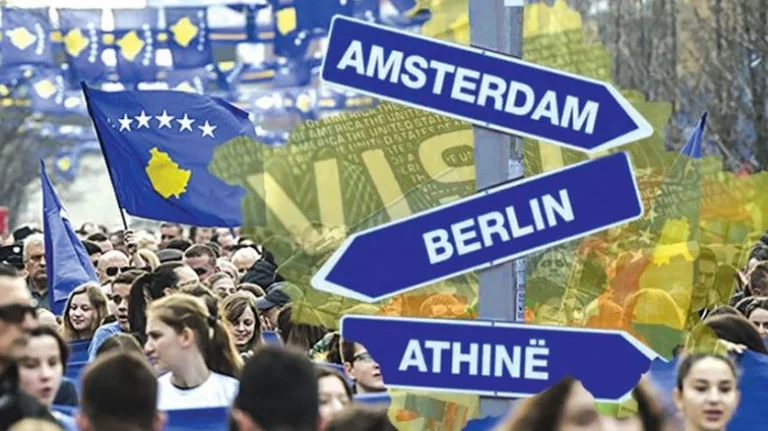
(5 years ago)Criticising the European Union for failing to fulfil promises to the Western Balkan countries and calling for the EU to be more acceptable in the region, they have been heard Thursday at a plenary session of the European Parliament. As more frequent evidence that the EU is not helping fulfil obligations, lack of liberalisation has been mentioned. [...]
As more frequent evidence that the EU is not helping fulfil obligations, the lack of visa liberalisation for Kosovo citizens and the launch of membership negotiations with Albania and Northern Macedonia have been cited.
These processes have not yet been finalised, even though the European Commission has sometimes confirmed that all three countries have fulfilled the criteria that have been requested by them. That way, according to many speakers who participated in the discussions, the European Union is jeopardising its credibility in the region and creating space for impacts of other external factors.
The debate has also developed to analyse the results of the EU Summit and the Western Balkans, which was held in Brdo, Slovenia. Anze Logar, Slovenia's foreign minister, the country that has the rotating chairmanship in the EU, has said this Samit has marked the strengthening of EU and regional ties. He has said that the EU's commitment to the enlargement process has been reconfirmed with this summit.
But there have been deputies who have been calling promises and conclusions from the Brdo Summit only “empty words”, especially citing the refusal to have time references for the enlargement process and the countries of the region' hopes for EU integration. Violet von Cromon, deputy Greens from Germany, who is also a rapporteur for Kosovo in the European Parliament, has said that “The EU-Western Balkans summit in Brdo was a parade of hypocrisy, empty words and assessments of autocrats, and above all claims that the EU will expand and the countries of the region are doing reforms” . She has said the European Union should have a completely different policy in the Western Balkans.
According to her, “The EU is no longer the club that in 2003 promised integration of Western Balkan countries, nor do the countries in the region have a motive for” calling for more sincerity.
It has particularly criticised the EU's approach towards, as it has said, the <x0-autocrats such as Vuciq are in Serbia and Djukanovic in Montenegro” demanding that the EU be honest even when it should be criticised for violating democratic norms. The Western Balkans are not in the neighborhood but in our backyard. If the EU cannot play its role there, then our dream of the EU becoming a geopolitical union will remain only dream”, she said. MP von Cremon has said concrete steps from the EU would be visa liberalisation for Kosovo, strengthening Bosnia and Herzegovina, and launching membership negotiations with Albania and Northern Macedonia.
European Parliament's Foreign Policy Commission chief David McAlister has called the Brdo Summit and the recent visit of EU chief Ursula von der Leyen as evidence of EU accession to the region. He, referring also to developments in Kosovo, has said that recent incidents proved how strong the divisions in the region are and that more needs to be worked on. The MP from Croatia, Tonino Picaula, has said that the summit's development is important, but “cannot hide our disappointment with the results”.
It's true some decisions have been adopted. Like approval of the IPA budget.
But we need more political steps. We are seeing in the region the influence of external factors. We should not miss the opportunity to mention the shortcomings and deterioration of the situation in some countries. But when conditions are met, we must fulfill our obligations. More specifically, negotiations should be launched with Macedonia (North) and Distraction, and liberalise visas with Kosovo immediately”, Picula has said, even speaking on behalf of the group of Socialists and Demorat. Some MPs have called on northern Macedonia and Bulgaria to find solutions to their differences, as well as Kosovo and Serbia, to lower tensions.
These are cited as examples of how sensitive the situation is in the Western Balkan region.
Criticising the European Union for failing to fulfil promises to the Western Balkan countries and calling for the EU to be more acceptable in the region, they have been heard Thursday at a plenary session of the European Parliament.
As more frequent evidence that the EU is not helping fulfil obligations, the lack of visa liberalisation for Kosovo citizens and the launch of membership negotiations with Albania and Northern Macedonia have been cited.
These processes have not yet been finalised, even though the European Commission has sometimes confirmed that all three countries have fulfilled the criteria that have been requested by them. That way, according to many speakers who participated in the discussions, the European Union is jeopardising its credibility in the region and creating space for impacts of other external factors.
The debate has also developed to analyse the results of the EU Summit and the Western Balkans, which was held in Brdo, Slovenia. Anze Logar, Slovenia's foreign minister, the country that has the rotating chairmanship in the EU, has said this Samit has marked the strengthening of EU and regional ties. He has said that the EU's commitment to the enlargement process has been reconfirmed with this summit.
But there have been deputies who have been calling promises and conclusions from the Brdo Summit only “empty words”, especially citing the refusal to have time references for the enlargement process and the countries of the region' hopes for EU integration. Violet von Cromon, deputy Greens from Germany, who is also a rapporteur for Kosovo in the European Parliament, has said that “The EU-Western Balkans summit in Brdo was a parade of hypocrisy, empty words and assessments of autocrats, and above all claims that the EU will expand and the countries of the region are doing reforms” . She has said the European Union should have a completely different policy in the Western Balkans.
According to her, “The EU is no longer the club that in 2003 promised integration of Western Balkan countries, nor do the countries in the region have a motive for” calling for more sincerity.
It has particularly criticised the EU's approach towards, as it has said, the <x0-autocrats such as Vuciq are in Serbia and Djukanovic in Montenegro” demanding that the EU be honest even when it should be criticised for violating democratic norms. The Western Balkans are not in the neighborhood but in our backyard. If the EU cannot play its role there, then our dream of the EU becoming a geopolitical union will remain only dream”, she said. MP von Cremon has said concrete steps from the EU would be visa liberalisation for Kosovo, strengthening Bosnia and Herzegovina, and launching membership negotiations with Albania and Northern Macedonia.
European Parliament's Foreign Policy Commission chief David McAlister has called the Brdo Summit and the recent visit of EU chief Ursula von der Leyen as evidence of EU accession to the region. He, referring also to developments in Kosovo, has said that recent incidents proved how strong the divisions in the region are and that more needs to be worked on. The MP from Croatia, Tonino Picaula, has said that the summit's development is important, but “cannot hide our disappointment with the results”.
It's true some decisions have been adopted. Like approval of the IPA budget.
But we need more political steps. We are seeing in the region the influence of external factors. We should not miss the opportunity to mention the shortcomings and deterioration of the situation in some countries. But when conditions are met, we must fulfill our obligations. More specifically, negotiations should be launched with Macedonia (North) and Distraction, and liberalise visas with Kosovo immediately”, Picula has said, even speaking on behalf of the group of Socialists and Demorat. Some MPs have called on northern Macedonia and Bulgaria to find solutions to their differences, as well as Kosovo and Serbia, to lower tensions.
These are cited as examples of how sensitive the situation is in the Western Balkan region.