 2 hours ago
EN from the summit in Slovenia: There are disagreements about final declaration.
Periskopi(5 years ago)
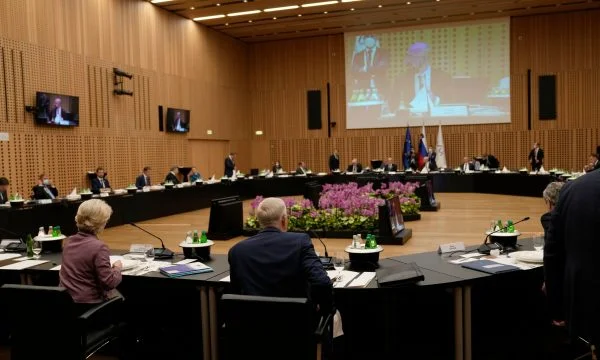
(5 years ago)European Union leaders, led by German Chancellor Angela Merkel and French President Emmanuel Macron, will meet today with leaders of Western Balkan countries in Brdo, Slovenia, in a long-awaited summit to determine the European Union's enlargement process. The summit drew international attention and on the eve of [...]
The summit drew international attention and on the eve of the summit, the public was flooded by a series of EU internal documents that questioned not only enlargement but also the visa-free regime, as well as Slovenia's EU bid regarding the Western Balkan countries' EU accession date.
The answer to the question of how much the European Union is willing to engage in the Western Balkans can bring the final declaration of this summit, which even before this event was the focus of a dynamic discussion of member states, otherwise divided into this issue of EU enlargement.
Euronews reports there is controversy in Brdo over the formation to be used in the final declaration of the EU-Western Balkans Summit. Some members commit not to mention enlargement, but only partnership with regional countries, as some countries are reserved for the enlargement term
EU Enlargement Commissioner Oliver Varheli said today that leaders gathered at the EU-Western Balkans summit will “confirm and clearly say they are committed to the integration and full membership of the Western Balkans in the EU”.
“in that direction, we must take our responsibility and make decisions such as opening accession negotiations with Northern Macedonia and Albania, opening chapters with Serbia, accelerating work on Bosnia and Herzegovina's candidacy and liberalising visas for Kosovo”, Varhi said after arriving at the summit.
However, two internal documents, which question the enlargement and visa-free regime of Serbia and Albania, were published before the summit. First, Reuters, referring to the EU's internal document that had this approach, announced that the European Union could no longer be reconciled to provide guarantees for future membership of the Balkan states, which were promised a country in the EU.
Just a day later, while Reuters's document was still under discussion, EUOobserver published another internal EU document. According to that document, members of the European Union opened the issue of abolishing liberalisation for five countries, including Serbia and Albania, due to the problem of being illegal and unbaised asylum.
On the eve of the summit, and after two internal documents that shaken the European perspective, came the so-called Slovenian proposal, which was broadcast by the Financial Times, and that marked 2030 as the date for EU enlargement.











