44 minutes ago
How is China taking over the backyard of America?
Periskopi(5 years ago)
(5 years ago)At first glance, America is not too afraid of China's new deal to improve Cuba's electricity grid. The countries are already strong allies through their communist leaders, Havana is under a diplomatic and economic embargo from Washington, and all efforts to mend ties between them ended when [...]
But scratch the surface and what comes out is a sight of the Chinese economic dominance in the U.S. court, which would be enough to give every president sleepless night.
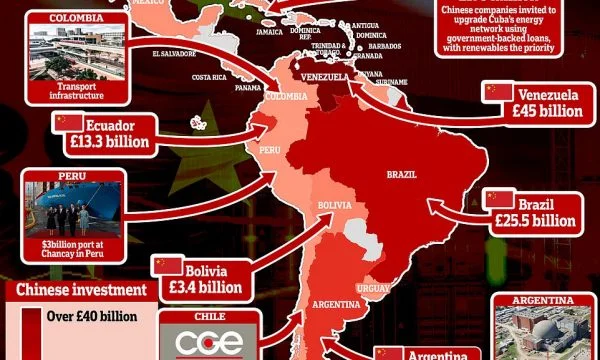
In fact, the agreement with Cuba signed this week as part of the “Belt Initiative and Road” of China's trillion dollars is only the last in a long line of loans, trade deals, construction projects and other investments in Latin America and the Caribbean seen as Beijing growth with its economic muscles as America's force fades.
Since 2005, China's three largest state investment banks have borrowed about $140 billion in Latin America to pay for everything from nuclear power stations to dams, roads to railways, ports, and telephone networks.
Other Billions no one knows how many others have been loaned through contracts with commercial banks, private finance initiatives and other agreements that are dark and difficult to find.
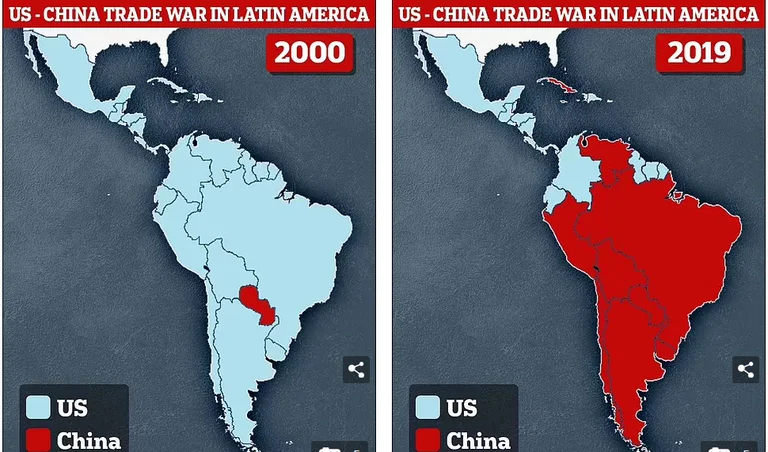
Meanwhile, Chinese trade with Latin America has increased by more than 25 times, increasing from $12 billion in 2000 to $335 billion in 2020, as almost half the countries in the region saw their biggest trading partner return from the United States to China, including three of the four largest economies in Brazil, Argentina, and Colombia.
All of this gives China the power it uses to emerge on the international stage, from winning UN votes to isolating its enemies mostly Taiwan, as Beijing often requires countries to sever diplomatic ties with the island before handing over the money.