4 hours ago
Djukanovic rejects proposal for withdrawal of seven ambassadors
Periskopi(5 years ago)
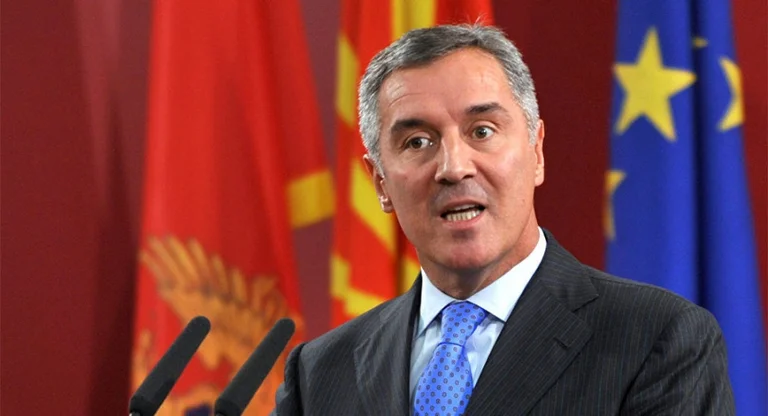
(5 years ago)Montenegro's President Milo Djukanovic refused to sign the decree to withdraw seven ambassadors and requested an explanation regarding the “claims that they had worked against state interests”. “Such an assessment deserves an explanation. First, because of the people in question. No less important, because of the countries [...]
Montenegro's President Milo Djukanovic refused to sign the decree to withdraw seven ambassadors and requested an explanation regarding the “claims that they had worked against state interests”.
Such an assessment deserves an explanation. First, because of the people in question. No less important, because of the host countries where they perform the ambassador's duties. And it is not insignificant, even because of the Montenegrin president who signed credentials recommending them to the heads of the host states”, Djukanovic said.
He added that if he signed the decree, it meant he agreed with those assessments <x0political and revengeary”.
Montenegro's Foreign Minister, Djordje Radulovic, drew Montenegrin ambassadors -- to China, Darko Pajovic, in Serbia, Tarzan Milosevic, in the United Arab Emirates, Dusanka Jeknikq, to the Vatican, Miodrag Vladovic, in Italy Sanja Vladovic, in Bosnia and Herzegovina, Obrad Misho Stanisq and Ambassador to Germany, Vera Kulish.
In mid-December, Prime Minister Zdravko Krivokkapiq's new Montenegrin government proposed the withdrawal of seven ambassadors appointed by the former government of the president's Democratic Party of Socialists, Milo Djukanovic, and under the Law for Foreign Affairs, the decree must be signed by President Djukanovic.
The new government, elected on December 4th, is the first, after three decades, not led by the Democratic Party of Socialists.