2 hours ago
Cuz: Serbia cannot enter EU without normalisation of reports with Kosovo
Periskopi(5 years ago)
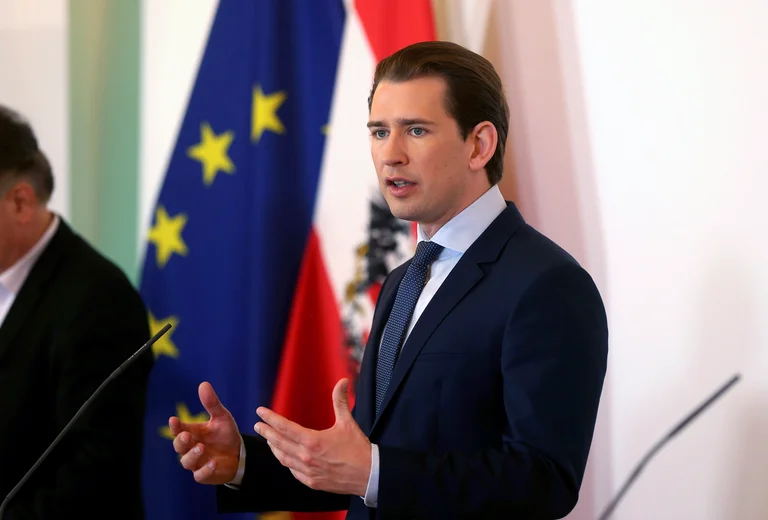
(5 years ago)Austria's Chancellor Sebastian Kurz has declared that Serbia must be aware that it will not be accepted into the European Union without the full normalisation of relations with Kosovo. Such an attitude, the same as it was two years ago given, as he said during a visit to Belgrade, came this time as [...]
Such an attitude, the same as it was two years ago given, as he said during a visit to Belgrade, came once again as he was asked by Serbian medium Kurir, if recognition of Kosovo could be imposed on Serbia's EU membership, Klan Kosova reports.
” During my last visit to Belgrade two years ago, I said Serbia should be aware that there will be no EU accession without Belgrade's normalisation of relations with Pristina”.
Kurz noted the importance that both sides must agree on a permanent and comprehensive normalisation of relations and that the agreement between Pristina and Belgrade would contribute to stability in the region.
The” is primarily from both sides to agree to a permanent and comprehensive normalisation of relations. This should contribute to sustainable stability in the region”.
According to him, the European Union has had good results when it comes to mediation in dialogue between Kosovo and Serbia.
Without EU mediation, Brussels agreements would probably not have been achieved. So we have good results here. The EU still has an important negotiating role in the dialogue. The EU has entrusted the task to Miroslav Lajcak, an experienced diplomat who enjoys the full support of the EU and Austria. However, there is a need for the political will and courage of Belgrade and Pristina, without which there will be no success. He also needs the support of the international community, especially close co-operation with the United States”, Kurz said.
He has added that both sides must implement their obligations from the Brussels Agreement “in an appropriate way”.
Where there are open points, we ask for implementation in an appropriate way. The key is to seriously continue dialogue, build mutual confidence, focus on a common European future. All sides will benefit from this”.
As regards what Kosovo looks like today, 13 years after its declaration of independence, Kurz said that if other countries are facing challenges related to pandemic and economic consequences.
What do you think of Kosovo today, thirteen years after declaring independence?
” Australia has excellent bilateral relations with Kosovo. With our troop contingent for KFOR, numerically the largest deployment of Austrian armed forces abroad, we are making an important contribution to the security and stability of Kosovo and the entire region”.
The Austrian economics is one of the biggest investors. Like all of us, Kosovo faces especially major challenges given the global pandemic and economic consequences. Therefore, it is important that political stability be decided soon after the upcoming elections. This will also be important for dialogue between Belgrade and Pristina”.