4 hours ago
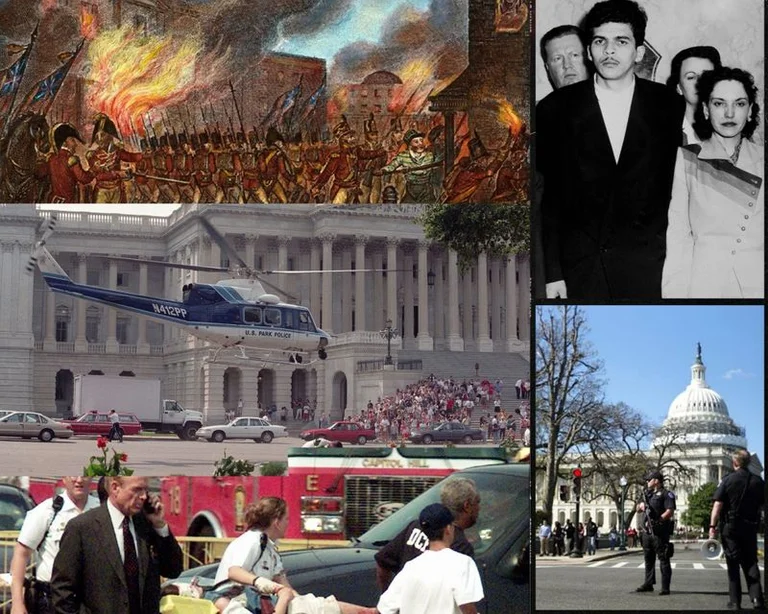
Bombings, attempted murder, burning, terrorist attacks: Violent History of the American Capitol
Periskopi(5 years ago)
(5 years ago)The U.S. Capitol building has seen bombing scenes, an attempted assassination of the president and countless demonstrations in its history of more than 200 years. For the first time, this Wednesday was the site of an armed rebellion promoted by the incumbent president. The building is relatively accessible to the public. It [...]
For the first time, this Wednesday was the site of an armed rebellion promoted by the incumbent president.
The building is relatively accessible to the public. It houses the two US legislative troops, the House of Representatives and the Senate, but anyone can enter after a security scan at the visitor centre.
Congress offices are frequented by protesters and other people. With little planning, people can interrupt a hearing, although they soon retreat from Capitol police, translate Periscope.
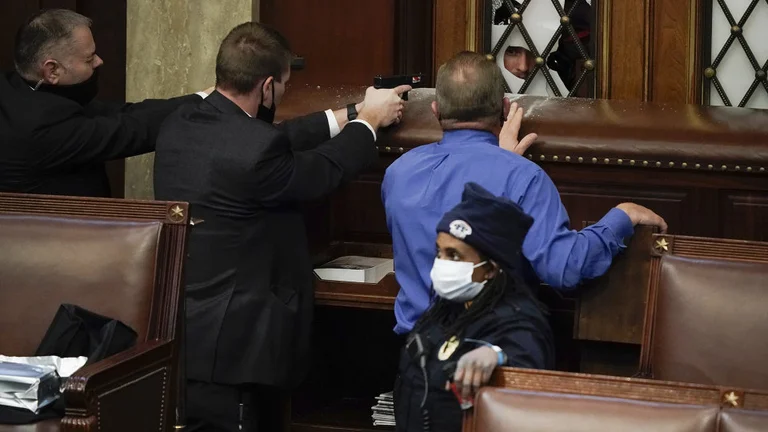
These peaceful scenes are a stark contrast to what happened Wednesday, when a group of Trump supporters crossed the fences and clashed with police to enter legislative rooms and convention offices. One woman was reportedly shot and killed, people working inside were evacuated with gasoline, and rebels blocked the walls of the building.
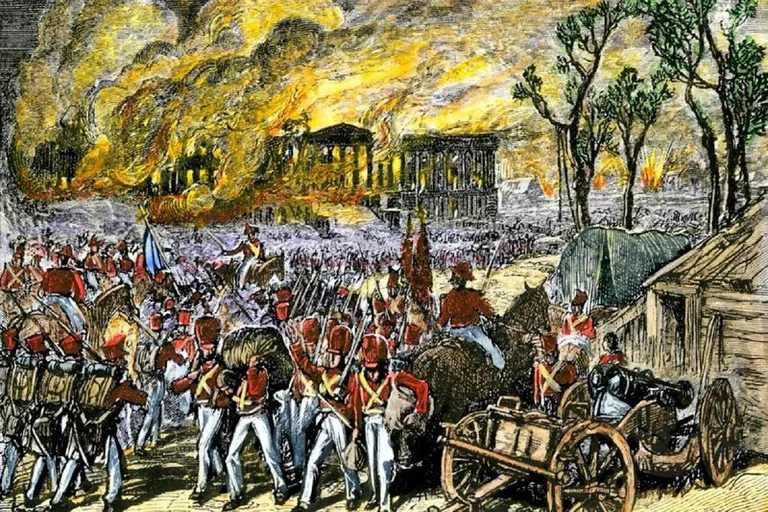
Since 1814 this building hasn't been broken.
Back then, this happened by British troops setting fire to the building during a broader attack in Washington in the 1812 war. The city's inhabitants were aware that the British were approaching and most had fled.
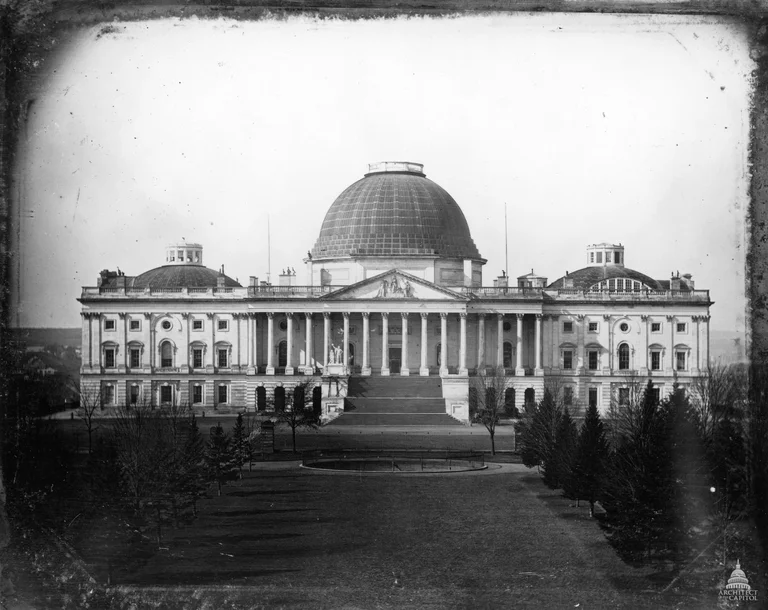
The Capitol had been under renovations at the time, and while a significant portion was destroyed, it was built with fire-resistant materials that allow for the suspension of the escort and many interior rooms. However, the fire is sufficient to burn documents and destroy statues.
Over 200 years, other violent attacks and bombings have occurred at the U.S. Capitol.
At a funeral in January 1835, an unemployed painter, Richard Lawrence, tried to kill then President Andrew. Jackson.
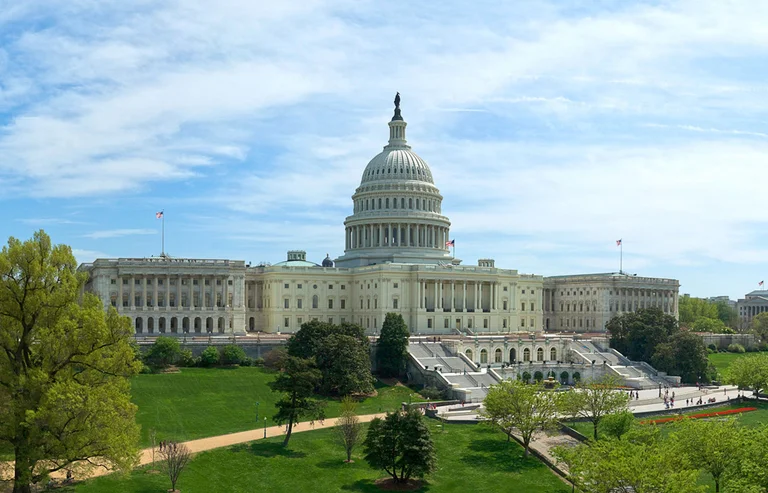
During the first world war, a professor named Eric Munter placed a bomb in the Senate's waiting room. Fortunately, there was no damage to people after the bomb exploded at midnight. He had killed his wife years before the Senate bombing and was later arrested after trying to kill the JP Morgan banker.
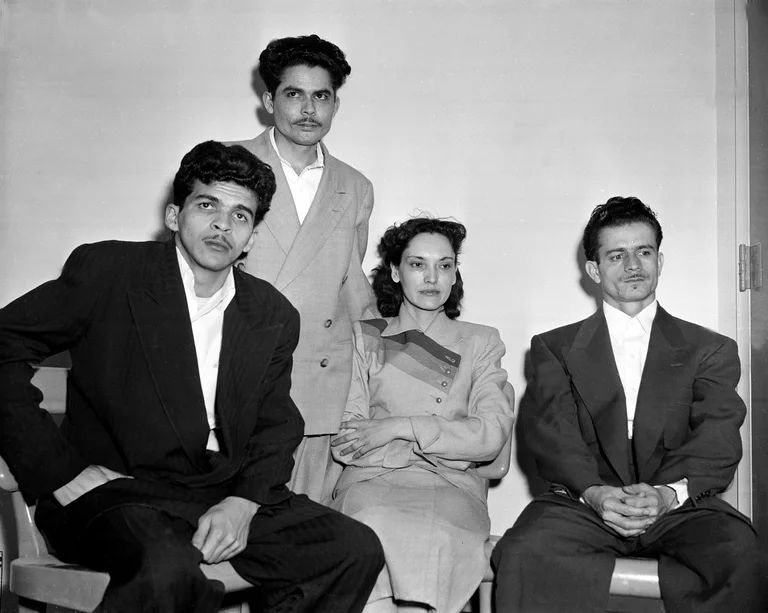
In 1954, four Puerto Rican armed separatists entered the House of Representatives and shot indiscriminately, wounding five people.
In March 1971, radical left-left “Weather Undergrove” bombed the Capitol in protest against military shares in Laos, causing hundreds of thousands of dollars in damage but not resulting in any death.
In November 1983, a bomb was set in protest of US military efforts in Granada and Lebanon. He also exploded without causing injuries or deaths. /Periscope