a minute ago
Biden's first conversation with harsh-toning Putin, details published
Periskopi(5 years ago)
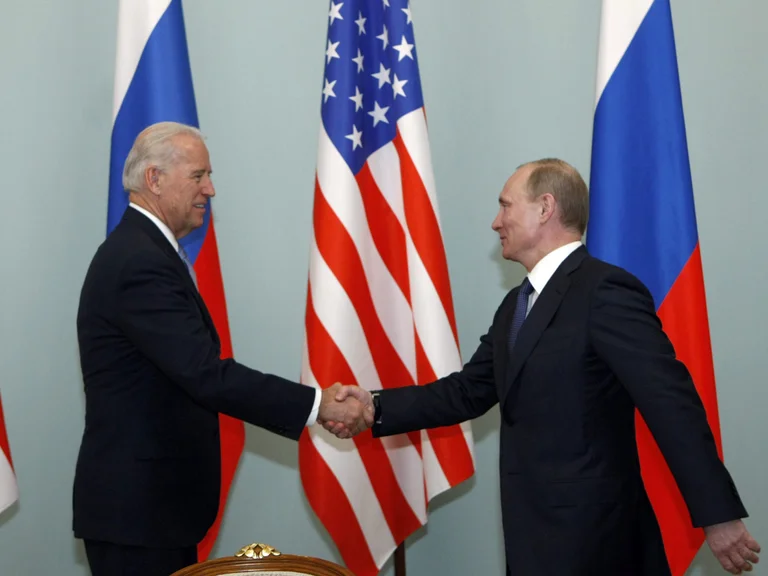
(5 years ago)The new US president, Joe Biden, spoke with Russian counterpart Vladimir Putin for the first time, expressing concern about the arrest of opposition Alexei Navally, and noted Russia's involvement in the cyber spying campaign and the death of American soldiers in Afghanistan. According to White House officials, [...]
According to White House officials, Biden tried to prevent his predecessor Donald Trump's hot rhetoric against Putin suddenly. But the new president also tried to leave space for diplomacy, telling Russian leaders their countries must finalise a five-year continuation of the new START nuclear arms control agreement before expire early next month.
Unlike his predecessor, Beden did not show hope in “the deployment of” of relations with Russia, but indicated he wanted to try to resolve disputes, and not necessarily improve relations.
According to officials, Moscow requested a conversation last week, Beden agreed, but he wanted his team to be prepared first and to speak with European allies, including the leaders of Great Britain, France and Germany. Before talks with Putin, Beden also spoke today with NATO Secretary General Jens Stoltenberg, promising the United States' commitment to the alliance.
Biden told Putin that his administration was considering computer-system interventions and said Russia had offered money to the Taliban killing American soldiers in Afghanistan. Biden said the United States is willing to defend itself and that it will take measures that may include further sanctions so as to ensure that Moscow does not act unpunished, say administration officials.
The Biden team has already reacted strongly to the crackdown on demonstrations for the release of Navajo, held in more than 100 Russian cities over the weekend, when more than 3,700 people were arrested, including 1,400 in Moscow.
Trump has long been the love “” with Putin and has sought his support, often voicing doubts about claims that there were Russian interventions in the US presidential elections in 2016. It also downplayed Russia's involvement in the piracy of federal government agencies last year and claims that Russia had offered money to the Taliban.
Despite this conciliatory approach, the Trump administration has set a sharp line on Moscow, imposing sanctions on the Russian state, companies and business people due to Ukraine, power distribution and attacks on dissidents.
In his conversation with Putin, Beden unexpectedly gave up the Trump line, claiming he knew Russia had tried to intervene in the 2016 and 2020 elections. But he stressed the need to extend the new START agreement, the last remaining treaty for US-Russia weapons control, which expires in early February. American officials expect an extension agreement to be reached that would ensure transparency at each state's nuclear arsenal.
Biden told reporters Monday that he hoped the United States and Russia could co-operate in areas where the two countries see benefits.
“I think we can both act in common interest, each one in its own way, about New Start, and at the same time we make it clear to Russia that we are very concerned about its behavior, whether it's Navally or “It's about solar winds (responding) or reports of American heads reward in Afghanistan,” said Biden.