13 minutes ago
Study: Coronervirus becomes more infectious, vaccines can become ineffective
Periskopi(6 years ago)
(6 years ago)Coronavirus has become a more infectious and more transmitted species, according to a study by researchers in Houston. Scientists published the results of a study that examined more than 5,000 coronary genetic sequences, finding that the deadly pathogen has become more contagious, raising questions about how quickly the virus [...]
Scientists published the results of a study that analysed more than 5,000 coronary genetic sequences, revealing that the deadly pathogen has become more contagious, raising questions about how fast the virus has evolved as it spreads throughout the world.
The study, published by MedRxiv's Houston Methodist, examined the virus samples from two different waves of COVID-19 in the Houston area - one of the earliest stages of pandemic and one of the most recent waves of infection in the city.
The study found that almost all strains of the virus from the second wave had a mutation known as D614G, which has shown to increase the number of “waste” in the crown-shaped virus.
These wastes allow the virus to ascend to human cells, increasing the ability of the virus to infect cells. Research suggests this mutation can increase the transmission of the virus.
However, they found little evidence to prove that mutations in the virus have made it more deadly, noting that the severity of the virus's disease was more related to the basic medical conditions of patients and genetics.
It is not surprising that the Coronavirus has evolved over time. Virus mutations are normal and, after infecting more than 32 million people, the coronary has had ample opportunity to change itself.
Most mutations have no impact, but this process sometimes changes the behavior or composition of the virus and if that change helps spread the virus, a new version of the virus can eventually dominate the natural selection.
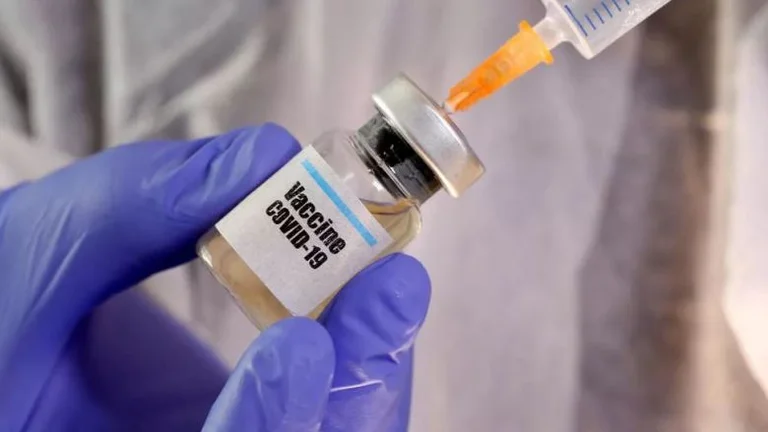
This study by Houston is the last proof that the coronary is changing as it moves and becomes more infectious during the process and that if the virus continues to evolve, it can affect the effectiveness of a vaccine.
The virus rarely infects the same person twice, but research shows that reinfectation is possible if a patient is infected with two different types of virus. For that reason, as the virus changes, a vaccine may have to change with it.
“