 7 hours ago
Who is fighting in Nagorno Karabakh, and why is this region important?
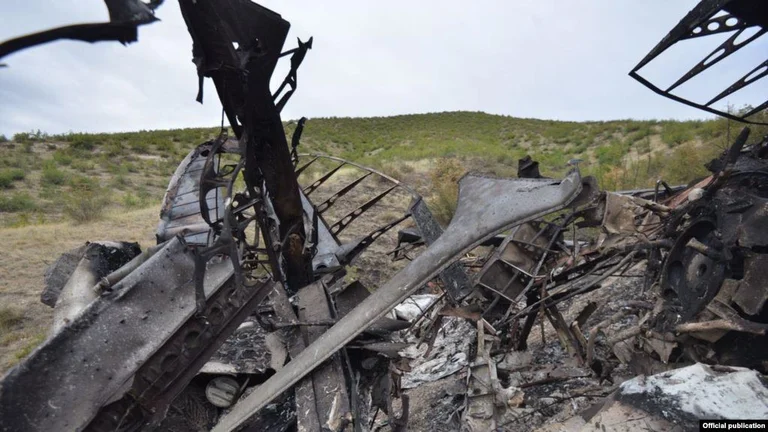
Periskopi(6 years ago)
(6 years ago)Harsh fights have again begun between Azerbaijan and the enclave of this Armenian ethnicity, Nagorno Karabakh, marking a dangerous outbreak of conflict that has been lasting more than three decades. Where is it, and what is the importance of Nagorno Karabakh? It is mountainous country, mostly forest land within [...] territory.
Harsh fights have again begun between Azerbaijan and the enclave of this Armenian ethnicity, Nagorno Karabakh, marking a dangerous outbreak of conflict that has been lasting more than three decades.
Where is it, and what is the importance of Nagorno Karabakh?
It is mountainous, mostly forested land within the territory of the former Soviet republic of Azerbaijan, and is internationally known as part of this state, Reuters writes.
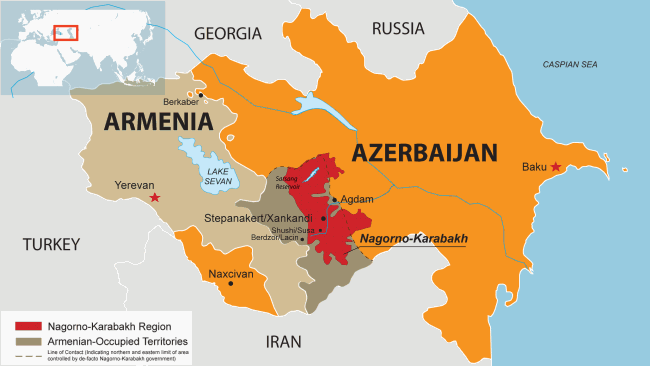
But ethnic Armenians, who make up the destructive majority of the population of 150,000, oppose Azerbaijan's rule. With Armenia's help, they govern themselves since the militia troops were expelled from this territory in the 1990s war. A truce was reached in 1994, but at least 200 people were killed in the outbreak of violence in 2016. The Nagorno Karabakh region survives almost fully from budgetary support from Armenia and donations from the Armenian diaspora.
Why are fighting now?
Tensions between the two sides have steadily increased during the summer resulting in direct fighting Sunday, September 27. The time to start these fighting is important because the external powers that have been mediating in the past -- especially Russia, France and the United States -- are distracted by COVID-19's pandemic, the upcoming US presidential elections and a long list of other global crises, from Lebanon to Belarus.
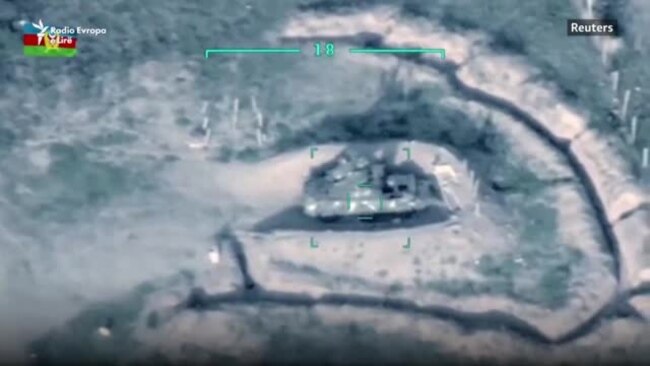
Fighting lower intensity in July sparked only silent international responses. Turkey, which conducted massive military exercises in Azerbaijan in July and August, has been even more vocal in support, compared to previous crises. Turkish President Recep Tayip Erdogan said on Monday that Ankara will stand by Azerbaijan “with all means and heart”. He did not say directly whether Ankara is providing the Azer army with experts, drones and military planes, as Armenia is suspected, and which he denies Azerbaijan.
What are the dangers?
Previous wars and sporadical outbursts of violence have killed at least 30,000 people since 1988. Tens more have been killed and hundreds have been injured in the new outbreak of conflict.
Olesya Vartanyan, crisis group analyst, said Monday has marked an increase in the deployment of heavy weapons, including rockets and artillery, which poses greater risk for civilian victims, and makes it harder for both sides to withdraw from escalation into full combat.
This could affect the involvement of other powers like Turkey and Russia, which would destabilise the South Caucasus region, an important corridor for gas pipelines and oil derivatives.
What could stop fighting?
Many states, including Russia and China, have called for disruptions of hostilities, but so far, these calls have had no apparent impact. You can say potentially, Russia holds the key: There are defence agreements with Armenia and a military base there, but there are also good reports with Azerbaijan and no interest in expanding the conflict.
Azerbaijan, Armenia continue fighting, world appeals for ceasefire
If Russian diplomacy succeeds, Moscow would benefit greatly from ending the fighting at a time when it is under sharp criticism on other fronts, including support for Belarusn President Alyaxasand Lucashenka after controversial elections. Moscow is also being criticised for poisoning Russian opposition politician Alexei Navajo in Siberia last month, which Germany says was poisoned with a nervous agent.
Russian President Vladimir Putin has talked on the phone Sunday with Armenia's prime minister, Nikola Pasinian, but it is not clear whether he has attempted to speak with Azerbaijani President Ilham Aliyev.











