 8 hours ago
The wearers are more responsible for other measures
Periskopi(6 years ago)
(6 years ago)The policy of mandatory wearing masks has not only contributed to people carrying them, but has also caused them to implement other preventive measures such as social distance, washing hands and avoiding handshakes, CNN reports. Researchers investigated about 7,000 Germans between mid-April and [...]
Researchers investigated about 7,000 Germans between mid - April and late May, approximately 1,000 per week.
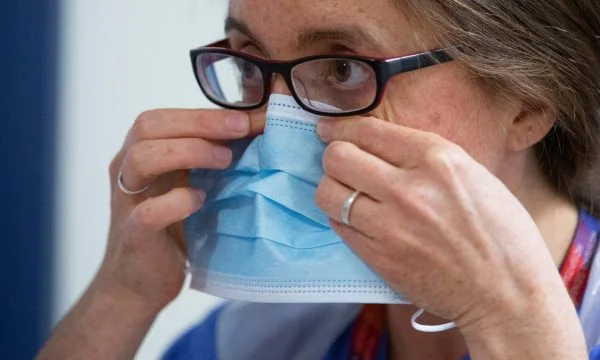
When masks became mandatory on April 27th in all public places in Germany, the number of people wearing them increased significantly and remained high, although among those surveyed were those who thought the measures were too high.
Before the forced presentation of the mask, about 20 percent of respondents wore masks. At the end of May, after the mass presentation, about 80 percent of people wore masks, according to a study published in the National Academy of Sciences magazine Proceedings.
The study also indicated that those wearing the mask were better at following other preventive measures.
The wearers were found to be eight times more likely to wash their hands and 20 times more likely to avoid treatment.
They are also 13 times more likely to respect physical distance than those who do not wear masks.
Whether there is a policy of mandatory wearing a mask, scientists have found that those wearing a mask are perceived as more pro-social than those who do not carry it.
“If individual countries or communities want people to wear masks, it is necessary, with the introduction of a policy of mandatory wearing masks, to clearly communicate the benefits of such practices,” said scientists.











