16 minutes ago
High temperatures: I KSHPK appears with 10 recommendations for citizens
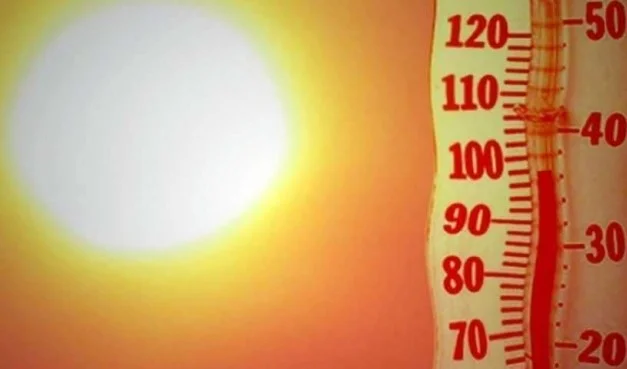
Periskopi(6 years ago)
(6 years ago)The National Institute of Public Health (IKSHP) has come up with recommendations for citizens, following the return of high temperatures which negatively affect the human body, especially among the elderly. Being exposed to the sun for a long time, people may suffer shocks from the heat leading to dehydration of the organism [...]
Being exposed to the sun for a long time, people may suffer shocks from heat leading to a dehydration of the organism's body, conveying it with cramps, vomiting, diarrheal disorders, frying, and skin burns by complicating the cardiovascular system to renal insulin.
The recommended protective measures for older people's health during exposure to higher air temperatures of over 30 °C, especially for older people with cardiovascular diseases and other chronic diseases.
These are the ten IKSHPK recommendations for citizens during high temperatures:
1. Older people should by no means be exposed to the sun's rays at a time range of 10,17.00, especially not the elderly with heart disease or diabetes;
2. As the elderly leave home, they must be forced to protect their heads with hats or headscarves; clothes should be thin, comfortable, linen, or cotton; and with bright colors;
3. It is vital that you take two quarts [2 L] of fluid during the day, whether it's eight cups of water or soup or tea; you should also avoid fried food, very salty or sweet, or with abundant pollen, while taking many seasonal trees and vegetables;
4. Besides medical advice on the use of drugs, the most frequent measurement of arterial tension is necessary for older people;
5. The appearance of headaches, pain, dizziness, and dehydration, the drying of the mouth and skin are alarming signs for the elderly, especially when he is sick and has functional disabilities; then surely the geriatric patient should be reported to his family doctor or to the nearest emergency center;
6. Family members, friends, neighbours and NGO members who care for the elderly during the hot summer months should more often contact the elderly, and in cases of functional disabilities several times during the day;
7. If you go out of the home/house where you live, the elderly should be obliged to carry with him basic information, name and surname, birth year, residence address, phone number of the contact person who can be contacted about this elderly person;
8. Most important is maintaining personal hygiene and the environment of the elderly, and monitoring the use of drugs in a regular manner;
9. Physical and mental activity of the elderly is essential, especially in the early hours of the morning or in the evening, the longest stay in the wild (paks, walks, and so on).
10. If the elderly person has difficulty moving because of functional inadequacy, then long hours of ventilation should be taken.