3 minutes ago
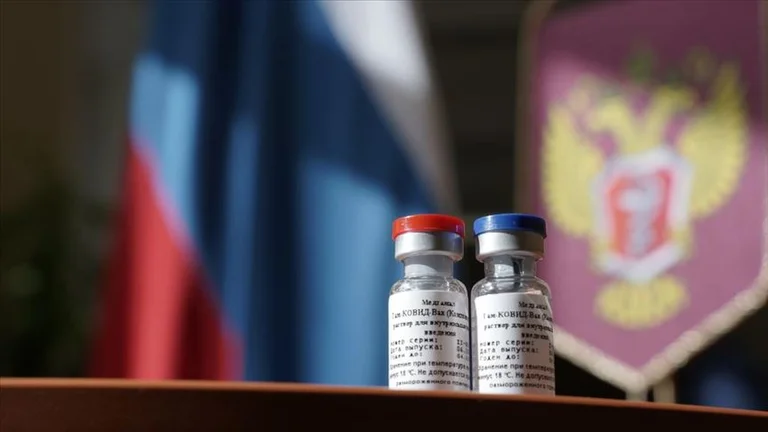
All you need to know about the Russian vaccine against the Coronavirus
Periskopi(6 years ago)
(6 years ago)Russian President Vladimir Putin announced the country has approved a vaccine against SARS-CoV-2. Putin said the vaccine is safe and effective. Russia apparently plans to launch mass vaccines in October. However, the announcement has caused global concern. Immunologists say there is no sure way that the vaccine is safe, and leave [...]
However, the announcement has caused global concern. Immunologists say there is no sure way that the vaccine is safe, let alone more efficient, and that Russia appears to be cutting corners.
What do we know about the vaccine?
The vaccine is called “Sputnik V”, referring to the first satellite, Sputnik 1, which left the USSR in 1957 a sign that the Russian government plans to trumpet as a matter of national pride. It was developed by the Gamaleya Institute of Epidemiology and Microbiology in Moscow, part of the Russian Health Ministry.
The vaccine would be administered in two shots, 21 days away. Both shots contain modified adenovius, which would usually cause a common cold. They've both been given genius for pit protein from SARS-CoV-2. This protein allows the virus to enter human cells. In theory, this should advance the immune system for a meeting with the current coronary, Periscope translates.
Known as a viral vector, this is a fairly standard approach to a vaccine, and other groups are following similar methods.
What evidence has passed?
New vaccines normally have to pass three tests before they are used extensively. A phase 1 trial involves a small number of volunteers, and it aims to determine a safe dose. Stage II requires more people, because it tests whether the vaccine causes an immune response, and it also requires better side effects. Then a major trial at stage III is used to determine whether the vaccine actually protects against infection. This is not just a formality: a vaccine may cause an immune response in phase II, but this may not be enough to give true immunity at stage III.
Russian researchers have predestined phase I records and phase II, and according to a website for the vaccine, these judgments were completed in early August. It claims that there were no harmful effects and that the vaccine caused the desired immune response. But no detailed results have been released. He also claims that a phase trial III will begin today in a number of countries, including Brazil, Mexico, Saudi Arabia and the United Arab Emirates.
In other words, the vaccine did not go through the complete range of tests. Without phase I and II data, we don't know how safe it is. And without phase III, we don't know if it works. “We actually have no idea whether it's safe and effective,” writes epidemiologist Gideon Meyerowitz-Katz in The Guardian. /Periscopi/