 4 hours ago
What is the Ammonites' nitra that caused the Beirut explosion and why it is so dangerous
Periskopi(6 years ago)
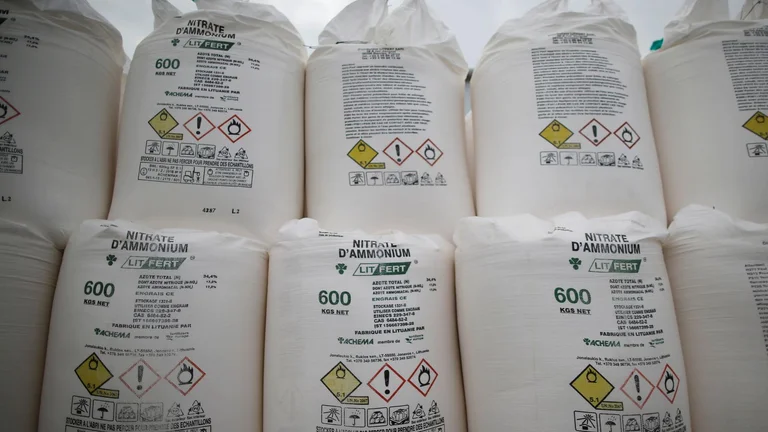
(6 years ago)More than 2,700 tonnes of ammonium nitrates stored in a warehouse since 2014 are thought to have caused the explosion in Lebanon's capital, Beirut. If it seems so, Beirut's explosion was caused by thousands of tons of ammonium nitrate stored in a warehouse, the explosion indicates the lethal potential of this common chemical [...]
If it seems so, Beirut's explosion was caused by thousands of tons of ammonium nitrogen stored in a warehouse, the explosion indicates the lethal potential of this ordinary agricultural chemical.
But what's an Ammonites nitrate?
With the chemical formula NH4NO3, the ammonium nitrogen is a crystal - white stiff, very digestive that appears naturally, more often known as salts. The largest deposits are found in the Atacama Desert in Chile, from which they were undermined. These days almost 100% of the chemicals used are synthetic, produced by reacting to the ammonia with nitric acid.
What's it used for?
The Ammonites ' nitrate is used mainly in agriculture as high - nitrogen fertilizer. It is relatively stable in most conditions and is free to produce, making the chemical a popular alternative to other sources of more expensive nitrogen. Also a major component of ANFO, (the ammonium/oil fuel), an industrial explosive used in mines, pebbles, and civil construction, and makes up 80% of all industrial explosives used in the United States. In itself, the Ammonites are not valued as particularly unstable or dangerous, but under certain conditions it can be deadly. Most countries have regulations that control its preservation to ensure it is safe.
What makes the Ammonites nitrate explode?
Special groups of circumstances are needed to convert the Ammonites' nitrate from a stable component into an explosive, without any fuel or external catalyst. It is classified as a <x0material energy”, the one that produces heat as it decomposes, similar to the way heat is created from decaying material in a garbage dump. If there is sufficient amount of ammo nitrate, it can generate enough heat to catch fire and keep the fire going, without the need for an outside catalyst such as the flame.
As it burns, the Ammonites pass through chemical changes that lead to oxygen production - just what a fire is needed to go on and grow more. As the chemical heats up, it can melt together, creating a seal or a plug. The forward space continues to heat and form gases. The hot gas expands, but, behind the plug, there's nowhere to go. Eventually, the gas will explode, and the force of this will cause an explosion. /Periscopi/











