8 hours ago
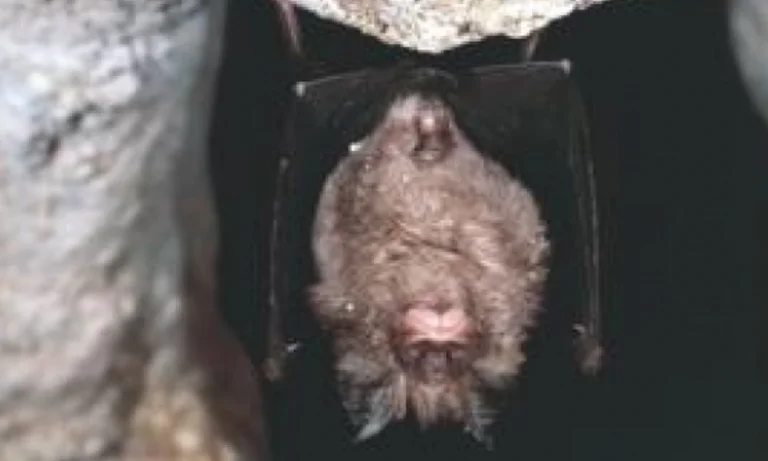
Scientists: David-19 has been in the bats for 70 years.
Periskopi(6 years ago)
(6 years ago)A team of molecular biologists, led by David Robertson of the University of Edinburgh, analyzed the evolutionary history of previous forms of SARS-Cov-2 by studying the genomes of dozens of viruses that are most related to it. Medieval biologists from China, the United States, and Europe published their research results in the magazine Nature Microobicology, [...]
A team of molecular biologists, led by David Robertson of the University of Edinburgh, analyzed the evolutionary history of previous forms of SARS-Cov-2 by studying the genomes of dozens of viruses that are most related to it.
Medieval biologists from China, the United States and Europe published their research results in the magazine Nature Microobicology, where they compared the genes of dozens of viruses closely related to the SARS-Cov-2 virus.
They later discovered that earlier forms of the virus separated from the common evolutionary tree of the virus to bats 40 to 70 years ago.
There are open evolutionary questions about the recent showing of the SARS-Cov-2 coronary, including the role of reservoir species, the role of recombination, and the time of deviations from animal viruses.
They found that the sarbeco-viruses, a viral subgenus containing SARS-Cov and SARS-Cov-2, are subject to frequent re-combination and show structured genetic diversity of space at the regional level in China.
SARS-Cov-2 is not in itself a recombination of any sarbeco-virus discovered so far, and its receptor connection motive, important to the receptors specification. ACE2 human, seems to be a trait of ancestors shared with bats and not recently acquired through re-combination.
In December 2019, a large number of cases of pneumonia related to the open market of animals in the town of Wwan, the province of Hubei in China, the local health service at the Chinese Center for Disease Control and Prevention, raised an epidemic alarm.
The analysis showed that viruses associated with SARS-Cov-2 have been living in bats for many decades. These viruses have a common origin and the ability to infect mammals that facilitated human transmission and that can happen again in the future, scientists say.
The former formats of SARS-Cov-2 from the common evolutionary tree of the virus between bats in southern and southeastern China occurred between 1948 and 1969, while the division of Covid-19 and SARS pathogens occurred later, between 1952 and 1970.
The results of this study show that SARS-Cov-2 viruses have circulated into bats in southern China for more than half a century, and their specific structure, which allows them to connect with receptors on the surface of lung cells of several different species, explains why two similar viruses infected people and caused serious outbreaks of respiratory infections.