7 minutes ago
Nushi Vlora: Pandemia highlighted abusers home as the safest place ever returned to hell for many women
Periskopi(6 years ago)
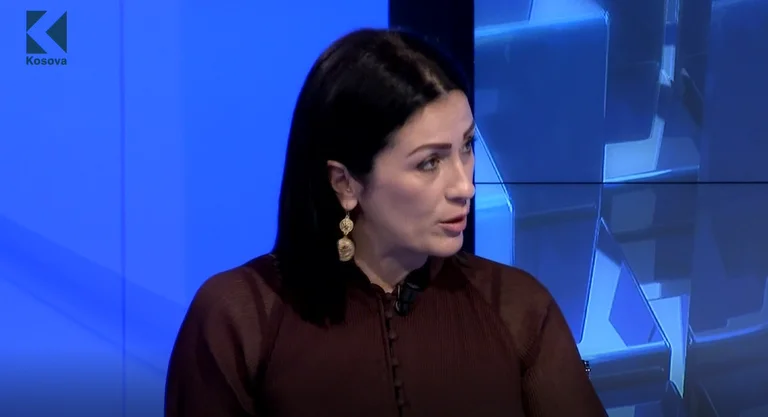
(6 years ago)Vlora Nushi from UNWOMEN has said that the body's pandemic has not only contributed to infections, since this contributed to increased domestic violence. The one in Rubikon with the Adriatic Kelmendi claims that although women face such a problem, they also face lack of ownership in their name, [...]
Vlora Nushi from UNWOMEN has said that the body's pandemic has not only contributed to infections, since this contributed to increased domestic violence.
The one in Rubik with the Adriatic Kelmendi claims that although women face such a problem, they also face lack of ownership in their name, Klan Kosova reports.
” In the pandemic period, the house, instead of being the safest place, became a hell place for many women”.
”We at UNWOMEN call it”, Since we don't see it but there is”, she says.
Because in most cases as discussed in the film, they also face a lack of ownership in their name, in the absence of employment in the increase we have had in women's unpaid work during the pandemic”.
And they unfortunately turn into victims that we refer to as survivors of violence, and this has spread even during Covid”.
And just those elements that we've had in our society, the pandemic shows them because the abuser's been locked up with the victim”.
What is working on solving such a problem where, because of violence, women are always victims?
We're working very hard with the women's network, the awareness of young people, women and men in order to change perception”.
Why?
So we can alert the cases, so we don't view violence as a private matter in the family, but it's actually a crime because that's why changes have been made to the criminal code”.
Besides the institutional part we're working with women's organisations and women's network, to help inform citizens of cases of violence near relevant institutions”.
However, she estimates that all this engagement in projects has produced results, Klan Kosova reports.
We consider the” the good result” because they started consciously, to report the cases. Especially during the pandemic we've been very active, three online numbers have been in place for 24 hours, then the Emergency Havens, Emergency Protolics has also had help from the United Nations Organizations, agencies with interference with essentials for existing housing so that victims do not lack institutional support”.
Vlora Niushi also tells of the commitment Kosovo should have as a state to build capacities in the justice bodies regarding the treatment of these cases.
What we've done with the Ministry of Justice is first to establish a Base Date, where each survivor of violence will have access to its own data and will have its own folder about”.
This way the Ministry of Justice will have the opportunity to trace the case of where it's stuck, because now it will have the opportunity to see if there's a shortage in the police, the prosecution or the trial”.
Niushi stresses that this will be a good opportunity for the Ministry of Justice to intervene at points where there is a impasse in cases of saving lives where there is domestic violence.
According to her, the problem has remained in a process of such tracking, which was previously in existence for domestic violence cases where cases have often caused unfortunately even death.