10 minutes ago
What will happen after David-19? Prepare, nothing will be the same
Periskopi(6 years ago)
(6 years ago)Nothing will ever be the same. No one can say how long this new normal will last, but one thing is certain - many things have changed. People's psychology is adapting. In uncertain periods, when the future is unknown and when many may have lost [...]
Nothing will ever be the same. No one can say how long this new normal will last, but one thing is certain - many things have changed. People's psychology is adapting. In uncertain periods, when the future is unknown and when many may have lost or threatened to leave their jobs, they tend to save and spend only on essential products. A recent poll found that 59% of them do not plan to go on vacation, most of which simply cannot afford it.
With countries continuing to be locked up in their shell to protect themselves from an impending infection, the hope that tourism would slightly revive the economy will fade. The demand for physical distance has broken down many activities that during the summer awakened consumption, such as holidays, weddings, nightclubs, and so on. The baby brings even more dilemmas, since infection associated with other virosis can become even more vicious. The experience of these months has shown that if there is one thing we learned from the virus, it is the only fact that it is unpredictable.
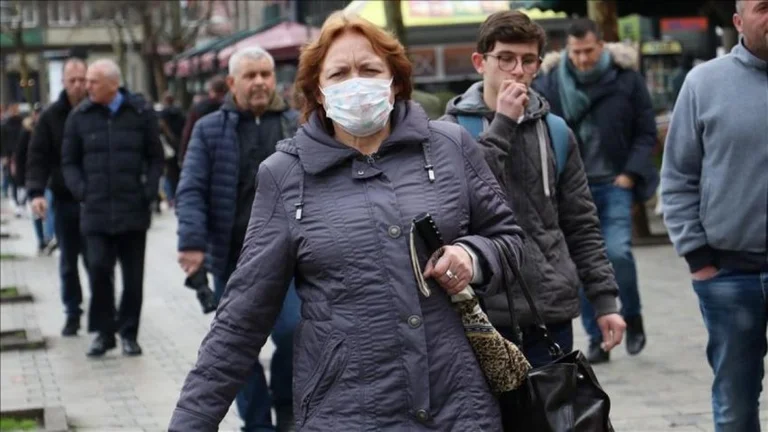
COVID-19 will not leave, at least for a while. Risked people will be afraid to get out, shrink consumption, businesses in turn will suffer the consequences of this behaviour, and the economy will remain below potential, even in the medium term.
For a country based on microbusinesss and internal consumption, this new normality is expected to be almost fatal. According to INSTAT data, 50% of enterprises in the country exercise activity in the field of retail trade, or in that of food and drink services (bars and restaurants), where self-employment prevails. Many others are also in the field of commercialism, or highly unappreciated services.
For a low-productive economy and kept in a body “parasitor”, the infection is expected to further lower the circulation in its veins.
In June, businesses that went to passive status were 77% higher compared to the same month a year ago. Many claim the decline in purchasing power as the main reason for the decision. While large enterprises may find it easier to survive and adjust and have reservations to do so, for young ones, survival will be almost impossible in the new normality of consumer behavior.
The whole world is preparing to face COVID-19 in the long-term plan. The new challenge now is to curb new waves of disease so that health systems can avoid collapse, but on the other hand, they give breath to the economy. Nearly three months of closure was fatal and led worldwide to the deepest recession since the time of the Great Depression.
Like everywhere, our economy has begun to adapt. The textile industry is channeling some of the resources in the production of masks and clothing for medical purposes. After a double contraction in March and April, textile exports in May almost picked up pre-crisis levels.
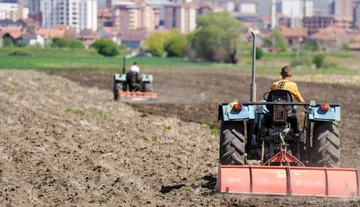
Businesses themselves have always shown themselves to be the first to hold back and adapt to new trends. But they alone cannot succeed. Many sectors that have so far been off the radar, due to low profitability and competition rates from imports, with little help can become preferred. One of them is agriculture, the only one that has stood the pandemic better so far. Albania still provides about 20% of the Bruto (PBB) domestic production from agriculture, the highest in Europe, but the food processing industry accounts for only 1% of GDP.
By comparison, in Serbia, agriculture contributes 6% of GDP and the food industry brings 3%. The potential is there, and it may well be exploited, just as other advantages of the country such as geographic position and free labor force can help to integrate into the cut chain of production (ship companies from China, for example), by opening new jobs that will replace closed businesses from changing consumer behavior. It takes only a little vision and will so that long coexistence with the virus becomes as easy as possible! / Monitor