8 hours ago
BB: Economic downturn may continue for some time in region
Periskopi(6 years ago)
(6 years ago)The World Bank has seen that the economic consequences of the health pandemic will take considerable time in all countries in our region, and in this way, layoffs will be inevitable, especially in the important sectors affected by this shock, such as tourism, trade, or transportation. However, BB [...]
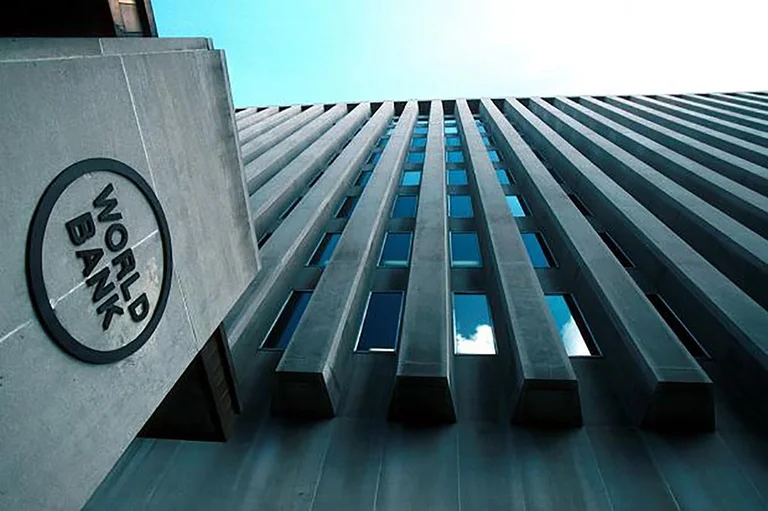
The World Bank has seen that the economic consequences of the health pandemic will take considerable time in all countries in our region, and in this way, layoffs will be inevitable, especially in the important sectors affected by this shock, such as tourism, trade, or transportation.
However, the BB points out that given the transitional nature of the crackdown by COVID-19, keeping employees on the job will make it easier for firms to recover from the subsequent economic crisis, as the previous crisis of 2008.
The World Bank has released the report “Social Economic Development of COVIID-19, social protection responses to the Devud-19 crisis in the Western Balkans, outlining short- and medium-term alternatives to the economic support of households during the pandemic and the subsequent period of economic recovery.
“The economic consequences of health pandemic will last a considerable time, so it is necessary to set priorities between programmes and time. While it may be tempting to use all heavy fiscal artillery at the beginning of the pandemic, it is important to maintain a kind of fiscal space to support the long economic recovery. For social protection, the ability to finance an enlarged poverty savings fund, the last book preventing poor families from falling into extreme poverty, must be given priority. The concept and legislation of the social security programme may also be modified to maintain the capacity to finance significant growth in unemployment applications in the medium-term. In parallel, with employment restrictions lifted, employment programmes intended to support return to the labour market should be improved and expanded as well. Over the medium term, it will be important to continue supporting anti-poverty programmes and offering support to the unemployed. Also, active Labour Market Programs should be expanded, as job demand will have a shift between sectors, and many employees will have to retrain and rely on finding new employment. • Clearly, financial compromises between programs and time must be made, and financial priorities must be set. It will be important to improve concentrated action while ensuring long-term social protection financing, as well as to limit the duration of costly wage subsidy programmes. The crisis will not only cause massive movement at work and abroad, but affecting sectors differently will also lead to reshaping jobs and economic activities between sectors. The jobs that people lost will not necessarily be the same ones that will be made available and will need to intensify active labour market programmes (PATP) to retrain many job seekers and help find jobs in the new sections “, the report says.