11 minutes ago
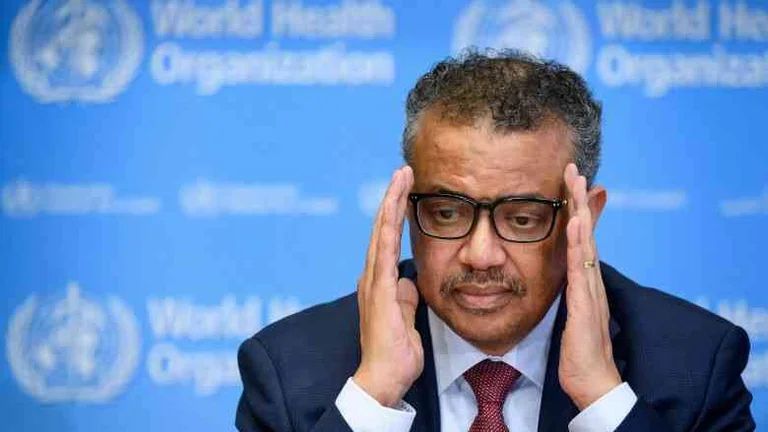
WHO Chief: Fighting coronavirus is very difficult, in a divided world
Periskopi(6 years ago)
(6 years ago)The head of the World Health Organization said on Friday it is the truly concerned “for the divisions that the coronavrus has created globally and within individual countries, calling it an invisible “, but a very small virus that causes destruction. ” “Bota has never seen anything like it since the flu [...]
The head of the World Health Organization said on Friday it is the truly concerned “for the divisions that the coronavrus has created globally and within individual countries, calling it an invisible “, but a very small virus that causes destruction. ”
“Bota has never seen anything like it since the flu in 1918”, said WHO Secretary General Tedros Adhanom Ghebrreesus, at a press conference, comparing the ongoing pandemic with the Spanish flu pandemic more than a century ago believed to have killed at least 50 million people.
Urging nations to learn from history and “to do better”, Tedros said that the lack of political unity during the current crisis was problematic, writes the Associated Press, records Telegrafi.
This is a very dangerous virus and it's very difficult to fight this virus in a divided world”, he was quoted as saying.
As the Associated Press writes, Tedros did not elaborate, but the two main economic powers in the world -- the United States -- which has the highest rates and death tolls from the pandemic, as well as China -- where the COVID-19 appeared for the first time -- have traded revisions and accusations on the origin and treatment of coronus.
And WHO became part of the fight.
President Donald Trump pledged to withdraw US from the US Health Agency, accusing O BSH, which was very “pro China” and that it accepted China's guarantees after the original outbreak of the virus in the town of Wuhan.
Meanwhile, according to the AP, WHO chief Tedros, as an example of “the kind of national unity” he thinks Pandemia wants, quoted a call he had in which Finnish Prime Minister Sanna Marin told him he was working with an opposition party to identify problems and propose solutions.
WHO officials are particularly concerned that the pandemic is speeding up in developing countries about the non-proportional number of people they may face to receive health services -- women, children and teenagers -- said Tedros.
Coronavius has overloaded the health system in many countries, placing many women in a “added to<x1 death> during childbirth, he said.
Young people who are vulnerable to anxiety and depression are also in greater danger during the pandemic, Tedros said, citing that in some countries more than a third of teens receive help with mental health exclusively at school.