 8 hours ago
O The BSH changes the criteria for being called a patient cured by the Coronacterius
Periskopi(6 years ago)
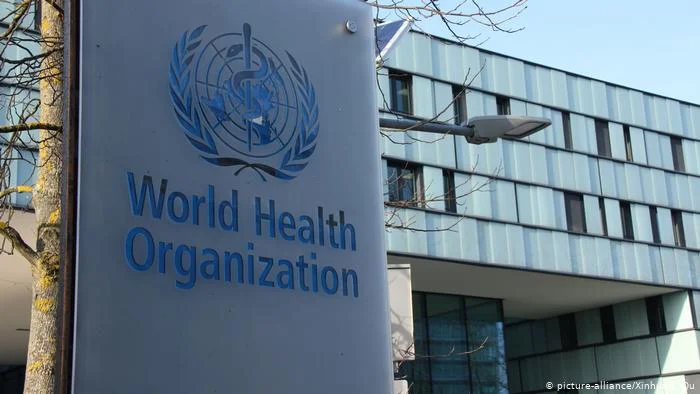
(6 years ago)The World Health Organization has changed the rules that predict when a coronary patient can be allowed out of isolation. In new instructions published by O The BSH is no longer recommended for a person to appear twice negative against Ovid-19 in order to be viewed as being healed. But in [...]
In new instructions published by O The BSH is no longer recommended for a person to appear twice negative against Ovid-19 in order to be viewed as being healed. Instead, the patient must spend three days without symptoms, and that is enough.
Despite “aggressive” of the infection, double negative tampon is no longer necessary to certified the end of the disease.
The new criteria for ending isolation are:
For patients with symptoms: 10 days after symptoms begin, plus at least three days without symptoms (so without temperature and other symptoms of respiratory disease).
For patients without symptoms: 10 days after the test for Ovid 19 has resulted negative.
Examples:
If a patient has symptoms in two days, the patient can be released from isolation after 10 days of + 3 = 13 days from the beginning of symptoms; for a patient with symptoms for 14 days, the patient can be released from isolation 17 days after the start of symptoms (14 days + 3 days =); for a patient with symptoms for 30 days, the patient can be released 33 days after symptoms beginning (+ 3).
Why the change?
The change of instructions was made after there is evidence that the active virus, which is likely to multiply and infect, is no longer present in the patient's respiratory samples 9 days after symptoms begin, and especially in cases where symtoms are soft, along with the formation of neutral antibodies.
So it seems safe to get the patient out of isolation based on clinical criteria, instead of repeating a test that can detect traces of RNA (not dangerous) for many weeks.
Moreover, long periods of isolation for people without symptoms affect individual welfare, society and access to health care.
The main goal is to write down the time of isolation.











