8 hours ago
Trouble in Montenegro: Police Arrest Some Priories Who Break Public Health Measures
Periskopi(6 years ago)
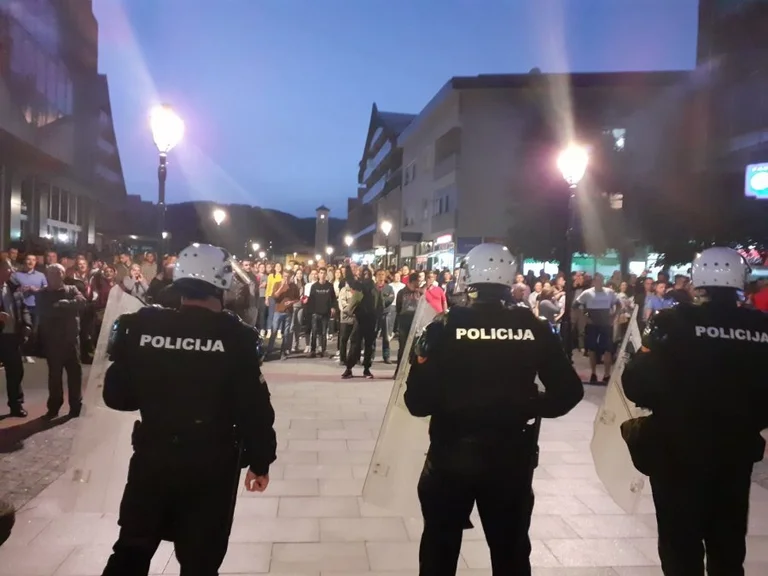
(6 years ago)Montenegro's police have used tear gas to citizens in Niksic and Montenegro's Plelevle, who opposed the arrest of several Serbian Orthodox Church priests. Montenegro police through a post in Titter said four police officers were injured during the clashes. “Ston, citizens gathered on Pleleve and [...]
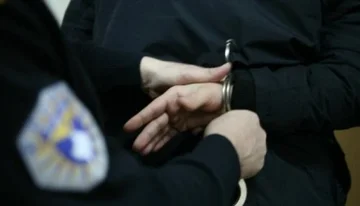
Montenegro's police have used tear gas to citizens in Niksic and Montenegro's Plelevle, who opposed the arrest of several Serbian Orthodox Church priests.
Montenegro police through a post in Titter said four police officers were injured during the clashes.
“Stone, citizens gathered at Plelevle and threw stones, glass bottles and pyrotechnic equipment towards police. Four officers were injured as a result. A quick action by the police secured order. The arrest of those responsible for the incident is under way”, said the police report.
Eight priests in Montenegro could face 12 years in prison for violating public health orders after running an illegal liturgy on the streets of the country's second largest city, Niksic.
Thousands of believers of the Serbian Orthodox Church in Montenegro ignored the extent of the ban on public gatherings that the government has decided to prevent the spread of the Coronavirus and participated in a religious liturgy to mark the Day of St. Basil of Ostrog.
Prosecutors said on May 13th that eight priests could face imprisonment on charges of violating pandemic restrictions.
“They [priests] are charged with criminally violating health regulations in preventing a dangerous infectious disease,” prosecutor Stevo Sokaric said in a statement.
Belgrade has sharply criticised the arrest of eight Serbian Orthodox priests in Montenegro.
Videos and photos from the ceremony showed how most participants did not wear masks on their faces or distance from each other.
Serbian President Aleksandar Vuciq and Serbian Orthodox Patriarch Irinej said in a joint statement that “represented hope that the arrests would not cause any “training or unwanted clashes”.
Vuciq called for a peaceful solution to the crisis and a swift release of priests.
Irinej said the bans were “evidence that the Montenegrin state is conducting a cleanup of the Serbian Orthodox Church”.
Continued Serbia-Montenegro Tensions
The arrests follow continuing tensions between Montenegro's pro-Western authorities and the Serbian Orthodox Church.
Montenegro's pro-Western authorities see the Serbian Orthodox Church as a means to intervene in domestic affairs on the part of Serbia, which has Moscow's support.
Earlier this year, the Serbian Orthodox Church held several weeks of protests in Montenegro against a law on Religious Freedoms.
The Serbian Orthodox Church, which has long dominated religious life in Montenegro, claims the law will take over the property, including monasteries and churches.
The law that went into effect in January says religious communities should testify to property ownership before 1918.
Montenegro, a country of 620,000 people, split from Serbia through a referendum in 2006, taking a pro-Western course and joining NATO in 2017.
The country has also negotiated membership in the European Union, the REL reports.
Serbian nationalists in both countries have never fully recognised Serbia's partition from Montenegro, which they claim is historically Serbian territory.