5 hours ago
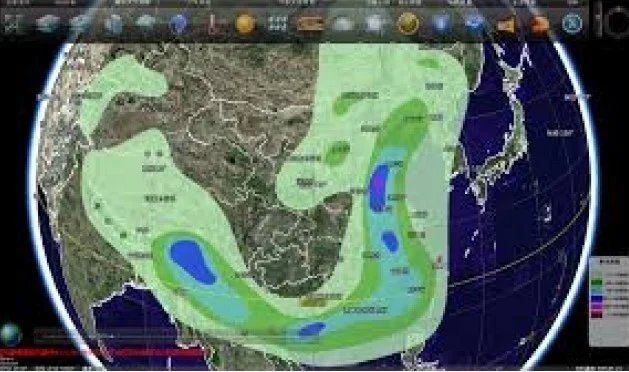
Coronervirus ' pandemic has also damaged the world's meteorological system
Periskopi(6 years ago)
(6 years ago)The United Nations organization (OKB) today expressed concern about the impact of the coronary pandemic on meteorological monitoring systems, as air traffic and data collection marked decline. The global monitoring system of the World Meteorological Organization is the basis for all meteorological and climate services. It consists of 30 meteorological satellites and 200 [...]
The global monitoring system of the World Meteorological Organization is the basis for all meteorological and climate services.
It consists of 30 meteorological satellites and 200 research, more than 10,000 weather stations on Earth, 1,000 stations (in the atmosphere), 7,000 ships and 3,000 commercial planes measuring the main parameters of the atmosphere, land and ocean.
This system transmits data from instrument to stations on Earth, broadcasts Kosovas.
The severe decline in air traffic from the beginning of the pandemic had obvious consequences for those monitoring systems, the World Meteorological Organization said.
From the beginning of the pandemic, the number of operations usually performed by commercial planes has dropped from 75 to 80 percent on average, and in certain regions of the world to 90 percent.
Program AMDAR (transmitting of meteorological data collected from planes) previously contained more than 800,000 data per day on air temperature, wind speed, percentages of moisture and others.
As the hurricane season nears the Atlantic, the pandemic presents an additional challenge. That is why it is essential for governments to pay attention to their early warning capabilities and meteorological surveillance,” said the UN.
As for weather monitoring on the ground, they are now being carried out almost fully by automatic equipment in the most developed countries, without human intervention, so they are not affected by the protection measures of the virus.