6 hours ago
Cakaya: No date for opening negotiations with EU, electoral reform needs to be completed
Periskopi(6 years ago)
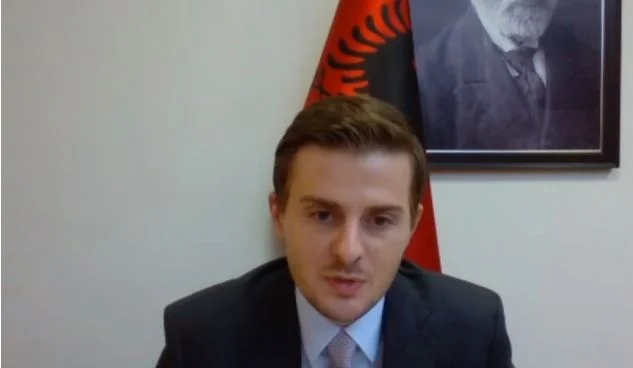
(6 years ago)There is not yet a precise date for opening EU negotiations with Albania and Northern Macedonia. For this, the Albanian state must meet certain conditions before holding its first intergovernmental conference. Acting Foreign Minister Gent Cakaj says Albania, before the start of negotiations, must complete electoral reform. In [...]
There is not yet a precise date for opening EU negotiations with Albania and Northern Macedonia. For this, the Albanian state must meet certain conditions before holding its first intergovernmental conference. Acting Foreign Minister Gent Cakaj says Albania, before the start of negotiations, must complete electoral reform.
In an interview for KosovoPress, Gent Cakaj says that the negotiating group has already been officially formed and that they are ready to start this process.
“In view of this area of engagements we've just made up of, and we've already introduced a considerable experience in negotiating with the European Union, we've officially established the negotiating group, which consists of chief negotiators, working groups, and are negotiators who are the heads of key chapters and so we're working with the commission to establish the negotiating framework and the negotiating position, which means that we are precisely in time to start the process and we have the preparations needed to advance further in this process”, he says.
However, Cakaj does not mention a date when the negotiation process can begin, but it does suggest that certain conditions must be met before holding the first intergovernmental conference.
We don't have a date, because of some factors, the first I want to underline because there's been a big misunderstanding in public that the date hasn't been set, has left space interpreted that really didn't start the negotiation process. The intergovernmental conference is true that it is symbolic of the start of negotiations, but really in what the negotiation process wants, it is not the start point, because the start is the process of creating both sides, even the work done with the commission for determining the negotiating framework, without the end of this phase can not even have the keeping of the first conference between government, in that sense Albania has begun despite the fact that there is no date for the conference in the negotiations process exactly as any country before it began. Meanwhile, the reason there is no first date because in Albania's case there are certain conditions to be met before holding the first intergovernmental conference and electoral reform is one of them, now I believe it's very soon a matter of days when we will close electoral reform”, says Cakaj for Kosova pris.
He adds that the pandemic situation in the country and not only is another factor for not starting EU negotiations with Albania.
Among other things, it also speaks of the Zagreb Summit, held on May 6th, stressing that the European Union has mobilised a considerable fund for the Western Balkans.
“The summit is focused entirely on the issue of pandemic management, it is noteworthy that the EU, has mobilised a significant fund for the Western Balkans in general, whether on projects to consolidate the health sector or on badly needed economic recovery projects. Therefore, the Zagreb Summit cannot be called that it has been a Sam where the enlargement theme is also expected to be central, and in that sense failure or success should be measured in relation to expectations. Simply the topic has been different, but the Croatian presidency should not be forgotten that it has made two very important decisions for the enlargement process, and this Croatian presidency makes the EU more successful because the positive decision on membership negotiations with the republic of Albania and Northern Macedonia” has been made, he adds.
The Western Balkans and the EU summit has been held 6 May through video conference. This summit has secured solidarity and bilateral co-operation in these crisis times.
Partners in the region have contributed to helping EU member states, while the European Union has mobilised more than 3.3 billion euros to help the Western Balkans in the fight against Ovid-19.