8 hours ago
Cronavirus deaths in Europe are far more than reports
Periskopi(6 years ago)
(6 years ago)The first reports of the deaths caused by Covid-19 in the homes of older people (azilet) from the most affected region in France have provided the view of a tragedy that is unfolding throughout Europe. On Tuesday evening, health authority in the Grand Est region said 40 of its 620 houses and [...]
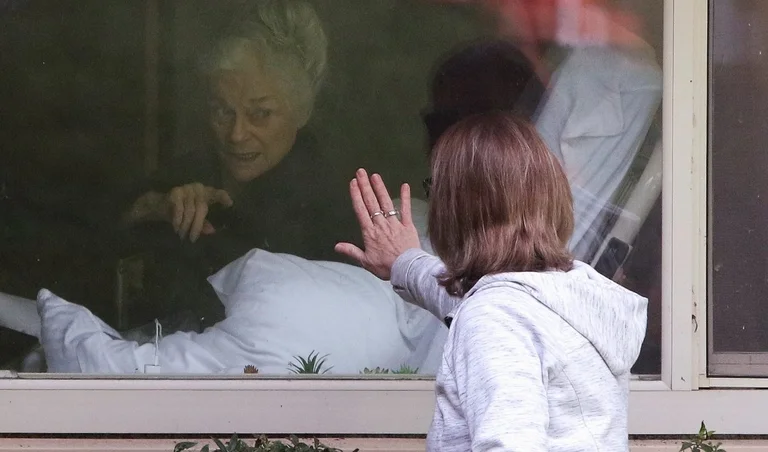
The first reports of the deaths caused by Covid-19 in the homes of older people (azilet) from the most affected region in France have provided the view of a tragedy that is unfolding throughout Europe.
On Tuesday evening, health authority in the Grand Est region said that 40 of the 620 homes of the elderly were affected by the pandemic of the choreographer and that 570 of their inhabitants had died.
These 570 victims were not registered in France in the official death toll from the Coronavirus, which went to 4,032 total casualties on April 1st, but not only those who died in hospitals.
Recent studies in Italy, comparing the deaths recorded by Washington-19 to deaths in general, show that death rates in certain regions are much higher than the official figure of more than 13 thousand victims, which is currently the highest in the world.
In a home of the elderly in Mediglia outside Milan, 152 elderly there have been infected since last week. In the province of Bergamo, 2,060 deaths were attributed to the virus in March. However, L'Eco di Bergamo, a local newspaper, discovered that the region in March had a total of 5,400 deaths, up from only 900 registered in March 2019.
The mortality rate of Covid-19 in later ages is significantly higher, and one of the first decisions made by the French government to fight pandemic in early March was the ban on people visiting their relatives in the homes of the elderly. But for residents in dozens of such homes, especially in eastern France and the Paris area, the decision was too late.

“The two leading deaths”, says Jéróme Salomon, general director of health in France, “are hospitals and Ehpads (an acronym for homes of the elderly).” Nearly 700,000 elderly French people take care of 7,000 such institutions held by the public and private sectors. These days are the worst for them.
A similar story is taking place in Spain, where 25 elderly people, about a sixth of the inhabitants, of an old man's staff in northern Madrid have passed away. Spain has 5,400 public and private care houses, where 380,000 people are cared for by a staff of 190,000.
Cadena Ser, a Spanish radio network, has estimated that more than a third of the people who died after the arrival of the coronary are in nursing homes for the elderly.
Officially, the death toll from the virus in Spain is over 10,000, which includes those who die in nursing homes only if they have previously tested positive for David-19. The Spanish Army has disinfected 1,353 homes of seniors across the country, and the state has taken over private-run residences.
Even Germany, which has been able to do tests for the coronary more than most of its European neighbours, faces a potential crisis of 800,000 elderly people living in nursing homes. In Wolfsburg, west of Berlin, 22 people died in an old age home.
Forty-eight died in the homes of seniors in North Rhino-Westpholia, Germany's most populated state. Infection and death in German homes of the elderly can have a marked effect on official statistics. Germany's death rate was extremely low at the beginning of the pandemic, mainly because the initial infections were among young Germans returning from vacation. /Financial Times