38 minutes ago
Coronavirus, health experts require rigorous measures.
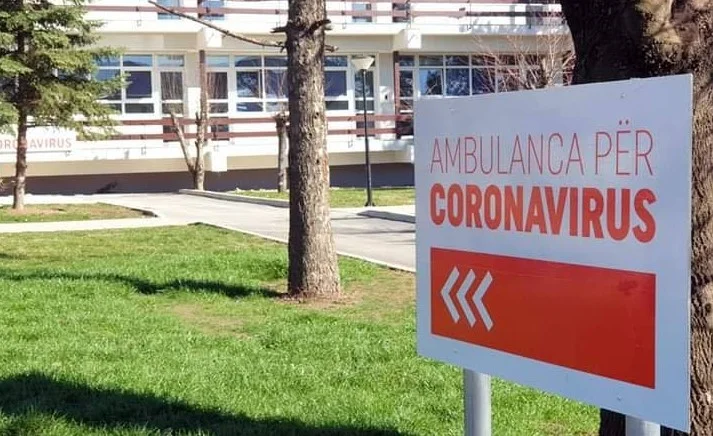
Periskopi(6 years ago)
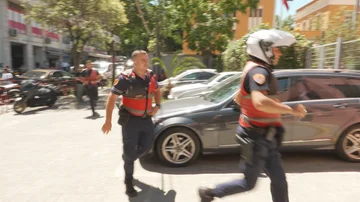
(6 years ago)Between 5: 00 p.m. and 6: 00 a.m., citizens are being denied circulation and driving. Almost two weeks, with the decision of the Government of Kosovo at this time <x0 hours of police”, with the aim of preventing the spread of COVID-19 pandemic. However, according to health experts, this is not enough and [...]
Microbiologist Lull Raka says that seeing the large influx of citizens during the time their movement is allowed, there is a need to increase measures to prevent corruption from spreading.
Taking into account mentality and consciousness, I'm for more rigorous measures. Don't have unnecessary people's exits, no walk needs to die today. There's no need for collections, if you're out, you're going out to buy spending, bread, medicine. And this can be done by a family member, a person, not the whole house. Because if the whole house comes out, when they normally meet family members, in the field ministry, they meet other people, and they approach. The moment someone gets near there may have infection and there's no signs or symptoms, nor does he know he's sick. And if he approaches less than two meters during his speech, he carries the”, Raka said.
This is also agreed upon by infection Valbon Krasniqi, yet according to him it is very necessary for citizens to become aware and have responsibilities in this pandemic situation.
I think citizens need to be conscious, they need to know and they have to feel the weight of responsibility they have at the time we are at the moment. I must repeat that citizens not only have the right to receive health services but also have a duty to maintain their health and care for others. Before there is strict measures that normally do their own, it is the awareness of citizens and their responsibility for what will help a lot more”, Krasniqi said.
Security expert Bedri Elez says there is no need for more rigorous measures in preventing the spread of this virus.
“We don't think there is need to be increased measures in this respect, the Kosovo Police. Because we think that the citizens of Kosovo are conscious, and there have been no cases that have had great strength to intervene. We think the most likely idea is to work on the ground in collecting information and doing information in countries where we have eventually infected. I don't think the large number of police forces prevent the spread of the virus. Police officials who handle order are enough... We have to go by reducing the places where they are in quarantine and getting information about where the countries are mostly infected”, Elez said.
Otherwise, the decision on limiting the movement of citizens will remain in force until 12 April. The government through a communique today has announced that the decision to cut out the teaching process will continue to be power, and that it prohibits citizens' entry into the municipality of Kline and Malisheva, as well as the decision to declare the emergency state of public health.
In Kosovo so far, 145 cases of COVID-19 have been seized, and 23 of them have recovered and one with a fatal outcome.