9 minutes ago
How to Talk to Your Child About Coronavirus Disease
Periskopi(6 years ago)
(6 years ago)Eight advices that help you calm and protect your children. It's easy to feel shocked by everything you hear about Coronavirus sickness 2019 (COVID-19) now. It's also understandable if your children feel worried. Children may find it difficult to understand what they see online or in [...]
Eight advices that help you calm and protect your children.
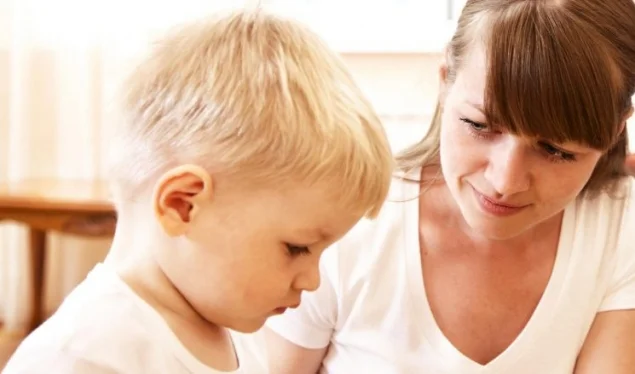
It's easy to feel shocked by everything you hear about Coronavirus sickness 2019 (COVID-19) now. It's also understandable if your children feel worried. Children may find it difficult to understand what they see on the Internet or on TV or when they are heard by other people so that they can be especially vulnerable to feelings such as worry, stress, and sadness. But developing open, supportive conversations with your children can help them to understand, cope, and even make a positive contribution to others.
- Ask open questions and listen
Start by inviting your child to discuss the matter. Find out how much they already know, and follow their lead. If they are small and have not yet heard of the outbreak of the virus, you may not mention this issue simply use the opportunity to commemorate the good practices of hygiene without fearing them.
Make sure that you are safe and allow your child to speak freely. Drawing, stories, and other activities can help start conversations.
More important, do not minimize or avoid their concerns. Make sure you understand their feelings and make sure those who are natural feel afraid about these things. Let them know that you are listening to them by paying your full attention, and make sure that they understand that they can speak with you and their teachers whenever they want.
- Be Honest - Explain the Truth in a Fitting Way for Children
Children have the right to receive real information about things happening in the world, but adults also have the responsibility to keep children out of concern. Use language suitable for their age, view their reactions, and be sensitive to their level of concern.
If you cannot answer their questions, do not try to guess. Use this as an opportunity to investigate the answers together. International Organization Websites Like U NICEF and World Health Organization are excellent sources of information. Explain that some information on the Internet is not accurate and that it is best to trust experts.
- Show them how to protect themselves and their friends
One of the best ways to keep children safe from the coronary virus and other diseases is to just encourage them to wash their hands regularly. It doesn't have to be scary. Sing along with the song The Wiggles or throw this dance.
You can also show your children how to cover their mouth and nose with the elbow during coughing or sneezing, and ask them if they start feeling like they have a fever, cough, or difficulty breathing.
- Offer calmness
As we look at many disturbing images on television or on the Internet, we may sometimes feel that the crisis is everywhere around us. Children may not discern pictures on the screen from their personal reality and may believe that they are in imminent danger. You can help your children deal with stress by giving them opportunities to play and relax when possible. Maintain regular routines and schedules as much as you can, especially before sleeping or helping them to create new routines and schedules in a new environment.
If the disease has spread in your area, remind your children that they are unlikely to be infected with the disease, that the majority of those with the coronary virus don't get very hungry and that many adults are working hard to keep your family safe.
If your child is not feeling well, explain to them that they should stay at home or in a hospital because it is safer for them and their friends. Assure them that you know it's difficult - perhaps frightening or even boring - at times but that observing rules will keep everyone safe.
- Check whether they are experiencing or spreading stigma
The spread of the coronary virus has brought with it many reports of racial discrimination worldwide, so it is important to check that your child is neither experiencing harassment nor contributing to it.
Explain that the coronary virus has nothing to do with how a person looks, where he comes from, or what language he speaks. If they've been called by names or harassed in school, they should feel free to say to an adult they trust.
Remind your children that everyone deserves to be safe at school. The harassment is always wrong and each of us must do what it takes to spread goodness and support each other.
- Seek Help
It is important for children to know that people are helping each other with kindness and generosity.
Tell of health workers, scientists, and (in English) young people, among others, who are working to prevent the spread of the disease and to keep the community safe. It may be very reassuring to know that generous people are taking action.
- Take Care of Yourself
The children will be able to help you better if you can handle the situation yourself. The children will adopt your reactions to the news, so it is good for them to know that you are calm and in control.
If you feel anxious or anxious, spend time for yourself and seek help from other family members, friends, or faithful ones in your community. Take time to do things that help you relax and recover.
- Finish Conversations Carefully
It is important to know that we do not leave our children in a state of concern. As you conclude your conversation, try to measure their level of concern by looking at their body language, praising whether you are using the tone of your voice and watching their breathing.
Remind your children that they can discuss other difficult things with you at any time. Remind them that you love them, listen to them, and be available whenever they feel sad.
Information compiled by Jacob Hunt, U communication specialist NICEF