4 minutes ago
From Pandemia to Poverty: Coronervirus ' Effects for the Oppressed
Periskopi(6 years ago)
(6 years ago)When danger and uncertainty overtake the rich, the welfare of the poor is ignored. Recent suggestions by health agencies and governments that people should stay at home if they don't feel good or start taking in food reserves as counter-responsive on the spread of the coronary can be intentional-good, but in reality ignore [...]
When danger and uncertainty overtake the rich, the welfare of the poor is ignored. Recent suggestions by health agencies and governments that people should stay at home if they don't feel good or start taking in food reserves as counter-responsive on the spread of the coronary can be intentional-friendly, but actually ignore society's most vulnerable groups.
Instructions are too limited to people without adequate insurance and abundant well - being. Economic informal workers may not have the luxury of staying at home without the health rest that the job contract guarantees. People who live in or near poverty often have no money available and cannot buy abundant food. Hunger, malnutrition, pneumonia, and other forms of shocks and stress are harmful to the virus and contribute to a vicious cycle of diseases, misery and death. Poverty can lead to infection, but infection can also create and expand poverty to further.
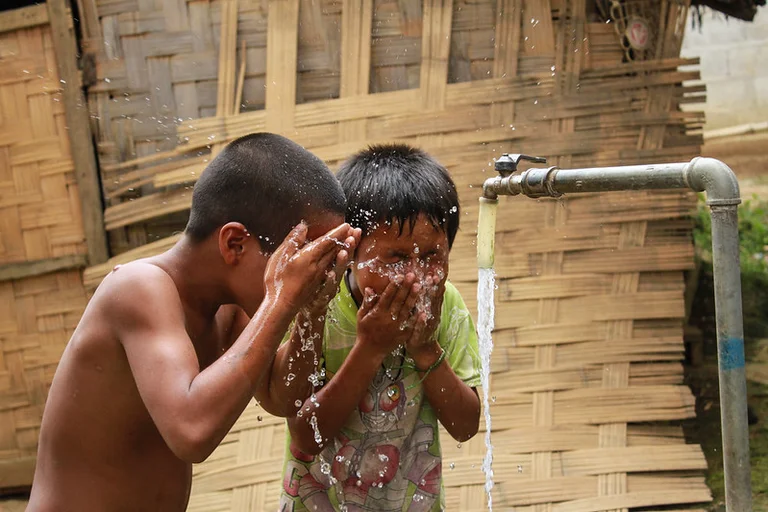
The virus can be another source of poverty and reinforcement of extenuating factors, limiting the possibility of poor families leaving it and staying out of it.
Limited capacity can create multiple effects. A study in 11 sub-Saharan states in Africa and South Asia found that in the absence of health insurance or other forms of universal health coverage, responses to such stress from diseases to poor people lead to asset sales and in borrowing from a file file, often in explosive cases.
We're at a crossroads.: Coronervirus has yet to reach [or at least we sʹwe know that he has arrived] the epidemic ratios in developing countries. There is therefore an opportunity to avoid the worst of its effects through joint actions to reach the most oppressed people in society.
The World Bank's 12 billion-dollar announcement of immediate support is promising. Through this package, which will be prioritized to poorer countries and at higher risk but with smaller capacities, the Bank will provide support to a range of interventions aimed at strengthening health systems.
Health systems must be strengthened. Donors could also support the World Health Organization [ The WTO to develop local-level preparation plans under the World Bank initiative. At the same time, the Bank may consider moving beyond national systems to prioritize interventions in difficult areas to reach. Many of these locations within countries may be lost, with health capacities that do not reach poor people.
Poor urban neighborhoods are the main place to spread disease.
Measures aimed at informal workers may be effective in increasing the number of women and men capable of containing the decline in poverty. /♪ Periscope