17 minutes ago
As self-curantination at home, the measures each of us must take
Periskopi(6 years ago)
(6 years ago)Thousands of people who may have been exposed to coronary have been asked to isolate themselves. It's harder than it sounds. Stay at home if you don't need a doctor. Don't go to work, school or shopping. If you have to get out of your room, put on a mask. If you are self-curanted because [...]
Stay at home if you don't need a doctor. Don't go to work, school or shopping. If you have to get out of your room, put on a mask.
If you are self-curanted because of possible coronary infection, these are some of the new house rules, by local health officials and the Centers for Disease Control and Prevention.
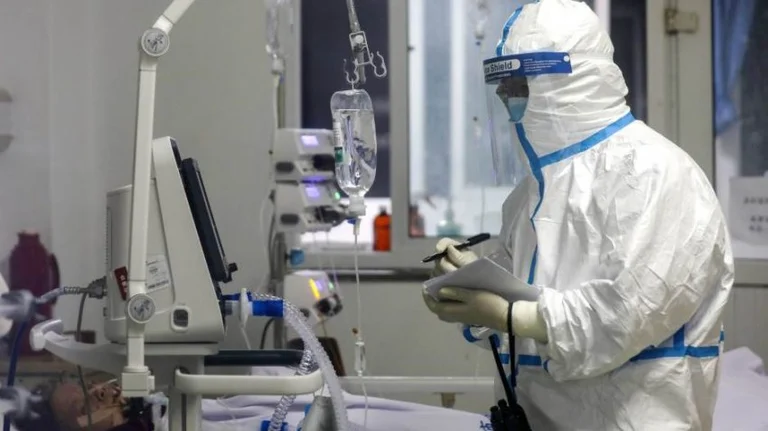
The quarantine itself and isolation are different. The first measure is for the large number of healthy people who can get sick after possible exposure. The second is for people who are sick with coronarys they're a risk to their family and visitors, and should be looked at carefully in case they get worse.
At the moment, with tests not yet available in most of the country, it is difficult to know whether they are infected or not.
State and local governments usually have the power not only to advise quarantine but to order it.
At present, Americans in some countries are required to stay at home if they have returned from China or Iran; if they have symptoms, such as fever and a dry cough, and have spent time in other countries or on ships; or if they are ill without any known source of infection.
Some people are choosing to isolate themselves even if they are not sick because they worry that they may be exposed and not willing to make others at risk.
It may sound like a break from reality, an ideal time to enter Netflix and catch sleep. In fact, it is not easy to shut up from family and friends.
Home carat can be unpleasant, and it will probably last for two weeks - the supposed period of incubation for the virus. It is especially challenging if you have young children or elderly relatives to care for him.
Break
If you are potentially efficient, it is important that you separate from your partner, your relatives, your children, your elderly aunt.
A room should be defined for your exclusive use. If possible, a bath should be also. Any surfaces you cough or touch can become contaminated with the virus.
You shouldn't have visitors and keep three to six meters away from the others. Don't take the bus or the subway or even a taxi.
Masca
If you have to be around other people at your house or in your car, because you're going to a doctor you have to wear a mask, and everyone else needs to wear it too.
Hygiene
If you cough or sneeze, you need to cover your mouth and nose with an tissue, and throw the tissue used in a trash basket lined up. Then you must wash your hands with soap and water immediately for at least 20 seconds.
You can use a sanitizer, if you can find him, but soap and water are preferred.
Even if you have not coughed or bent, you should wash your hands often and not touch your eyes, nose, and mouth.
Dezinthron
And do not share your meals, or your drinks, or your towels, or your bed with anyone. Wash these items after you use them.
Often wipe out surfaces that can be contaminated by body fluids, including blood and waste.
Monitor
Observe your health and call your doctor if you show symptoms or if they get worse. Make sure you show the medical staff that you are in danger of coronary infection.
Other members of the home may go to work or school, but it will be their duty to collect food supplies, obtain prescriptions, care for quarantine, and keep the country clean.
Family members should monitor the patient's symptoms and call a doctor if they see a bad turn.
About a symptoms patient, family members should wear a mask on their face and gloves if they have contact with his or her body fluids. These must be thrown away immediately, never used again.
Older family members and those with chronic medical conditions risk serious complications, even death, if infected. Pregnant women may also be at special risk, though the data is not clear. Contact with the isolated individual must be downplayed.
Family members should monitor their health and call a doctor if they develop a cough, fever, or gasp, signs of Covid-19, the technical name of the disease caused by the Coronavirus.