11 minutes ago
How Coronavirus Tested
Periskopi(6 years ago)
(6 years ago)Center for Disease Prevention and Control (CDC) and the World Health Organization (OBSH) suggest that you contact your doctor if you have cough-like symptoms, respiratory problems, fever and fever, of course, that non-inforce symptoms will be accompanied by the test for Covid-19, as doctors may find you have a cold, [...]
Of course, not necessarily having symptoms will be accompanied by conducting the test for Covid-19, as doctors may find that you have a cold, flu, or any seasonal allergies.
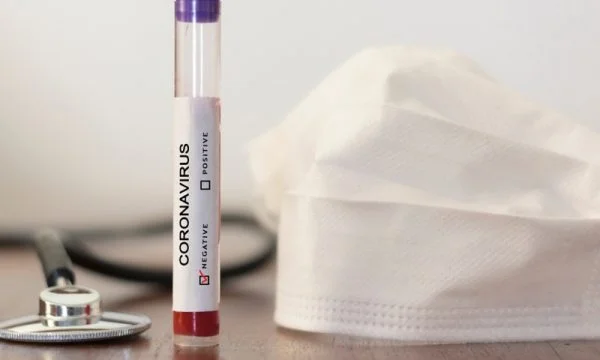
In cases where doctors suspect that you may have been affected by coronary, the test is performed, which comes in some forms.
1) Taking a sample into the nostrils or throat area. This is done in ways similar to cotton pins for ears.
2) Taking a sample in the nose. This method involves injecting a salt solution into the nose and then removing it through absorption through equipment.
3) A thin light tube called broncoscope is placed in the mouth and lungs, where a sample for analysis is collected.
4) A saliva test. If you have a dill, it may be required that the patient cough and spit out, which is used as a sample.
5) Blood tests. It's standard blood test.
The U.S. Food and Bars Administration has approved the rapid test for the coronary, which develops by taking samples from the nose, throat and lungs.