8 hours ago
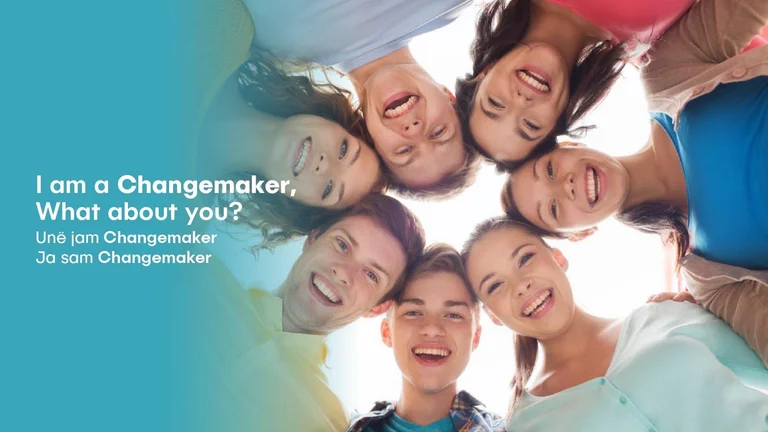
The six winners of the Your For Kosovo Changmakers race are unearthed
Periskopi(6 years ago)
(6 years ago)Within the framework of the news project for Kosovo, six young winners of the Your For Kosovo Changmakers race have been declared, three of whom were in the video category and three in that of photography. This project aims to engage young people to work together and become changers in communities [...]
This project aims to engage young people to work together and become variables in their communities.
Here's the complete communique:
“Youth For Kosovo” is a joint project of U n NDP-UNV, UNICEF and UN Women, which aims to engage young people to work together and become changers in their communities. Races are being organised under this project Youth For Kosovo Changmakers From January 20th to February 7, 2020, through which young people throughout Kosovo have been invited to share their contribution stories for the good of the community.
Yesterday, “Youth For Kosovo” has published six names of the winners of the race, three of whom were in the video category and three in that of the photograph. Among the contestants through the video, Fiona Meqa (499 favourites) won first place, Rudina Zeqiri (381 consents) won second place, and Alma Topalli won third place. These girls have told of their commitments to recognising cultural heritage, improving school facilities for young people in Fushe Kosovo, as well as for children's activities in the SKKUK pediatric ward.
Besides, the winner of the race Youth For Kosovo Changmakers in the photo category, they have shown their creative contribution to raising awareness of environmental care in common spaces, as well as to the integration of art as the method of improving hospital spaces for children. The first place was won by Lady Djindy (332) -- second place by Ermona Leskovci (181 consents) -- and Marija Tomasevic (69 consents) won third.
This has been an interesting campaign that has enabled young people to witness their commitment to their peers in the neighborhood, in the city, in urban or rural parts, and that affects their future. In this way, present and future leaders can be identified who have the potential to reinforce youth synergies as well as increase the trust of youth in public institutions.