7 hours ago
IKD Miftaraj: NATO-Kosovo Agreements, Issues Beyond Internal Interests
Periskopi(6 years ago)
(6 years ago)Prime Minister Albin Kurti, through an official letter, has informed Kosovo Assembly Speaker Vjosa Osmani about the secret agreement, as he calls it, signed on April 19th 2013 between then Prime Minister Hashim Thaci and then NATO Secretary General Anders Fogh Rasmussen. Ehat Miftaraj from the Kosovo Institute for [...]
Prime Minister Albin Kurti, through an official letter, has informed Kosovo Assembly Speaker Vjosa Osmani about the secret agreement, as he calls it, signed on April 19th 2013 between then Prime Minister Hashim Thaci and then NATO Secretary General Anders Fogh Rasmussen.
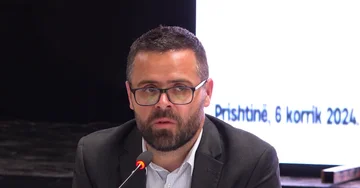
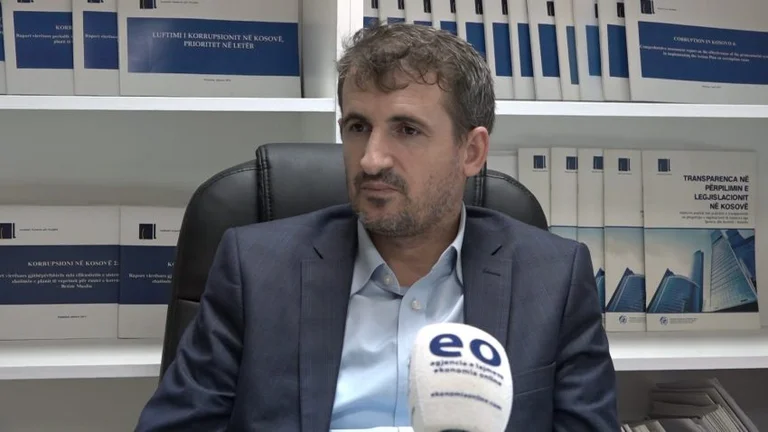
Ehat Miftaraj from the Kosovo Institute for Justice has commented on this development in an interview for Klkosova.tv, saying signed agreements between NATO and Kosovo are issues that are beyond internal interests, and as such should not be interpreted with pomp.
“Lidership in Kosovo under no circumstances should and dare not mix foreign policy, security issues that pass the opportunities and competencies of the Republic of Kosovo with daily policies and personal resentment among political leaders in Kosovo”.
“The issues and agreements signed between NATO and the Republic of Kosovo are sensitive issues that exceed Kosovo's internal interests, and the same if they start being interpreted into public in a pompously harming credibility and presents a serious concern of weakening the country's worldwide subjectivity”.
According to him, Kosovo will have repairable consequences if it has such an approach, which, according to Miftaraj said, represents serious violation of international habit regarding international obligations the state of Kosovo has taken over.
Whatever Kosovo does not dare and should not allow itself if the unsolemized status of Kosovo citizenship is considered.
“Such an approach of Kosovo in the report with the international community conflicts with the basic principle of state responsibility in international law, which clearly stipulates that any state that violates an international obligation should be held accountable for its delict actions: it is the state's responsibility that does not respect international obligations immediately to prevent such actions or, in contrast, face consequences”.
These implications in the case of Kosovo would be irreversible. Kosovo as a new state, which is still in the phase of the construction state, with fragile democracy, economically and financially dependent on international aid and support, with very low level of rule of law, in search of the way to strengthen its international subjectivity, must make sure to take action and political decisions that build its trust and image in the international arena”.
But how does he view this agreement?
Kosovo's “Constitution clearly defines the competencies and responsibilities of the president and the Kosovo Assembly regarding the signing and ratification of international agreements. As, on the basis of the international obligations Kosovo has received on the occasion of Kosovo's declaration of Independence and according to the Ahtisaari Plan, the obligations of the Republic of Kosovo have been taken over in relation to NATO's presence in Kosovo, NATO's role in Kosovo in terms of building peace and preserving stability in Kosovo”.
According to the international obligations Kosovo has in relation to the international factor, NATO through KFOR, has supreme authority in building peace and preserving stability in Kosovo, in this direction any agreement that authorities in Kosovo link with KFOR representatives” should also be interpreted.
He has also clarified on what occasion the president of the country can be dismissed and what the procedures are.
“The president of the Republic of Kosovo can be dismissed from the Kosovo Assembly only if he/she is convicted of committing serious crime or if she/he is not capable of exercising the responsibilities of this post due to serious illness or if the Constitutional Court has determined that she/he has committed serious violation of the Constitution. The procedure for the dismissal of the president of the Republic of Kosovo could be initiated by a third (1/3) of the Parliament's deputies, who sign a petition explaining the reasons for dismissal. If the petition claims serious illness, the Parliament will seek the opinion of the medical consortium on the state of health of President”.
If the petition claims any serious violation of the Constitution, the petition should immediately be handed over to the Constitutional Court, which decides on the matter within seven days of receiving the petition. Whether the president of the Republic of Kosovo has been convicted of any serious crime or if the Parliament finds that the president is unable to exercise his responsibilities because of his serious illness or if the Constitutional Court finds that she/he has committed serious violation of the Constitution, the Assembly could sack the president by two-thirds (2/3) of the votes of all its deputies”.