6 hours ago
100-year-old Malisheva village mosque restored
Periskopi(6 years ago)
(6 years ago)The restoration works have been completed on the old Mejten and mosque of Malisheva's village of Shkoza. These works are run by the Regional Centre for Cultural Heritage in Prizren under the implementation of programmes for intervention in cultural heritage assets supported financially by the Ministry of Culture Youth and Sports. The mosque and the mud [...]
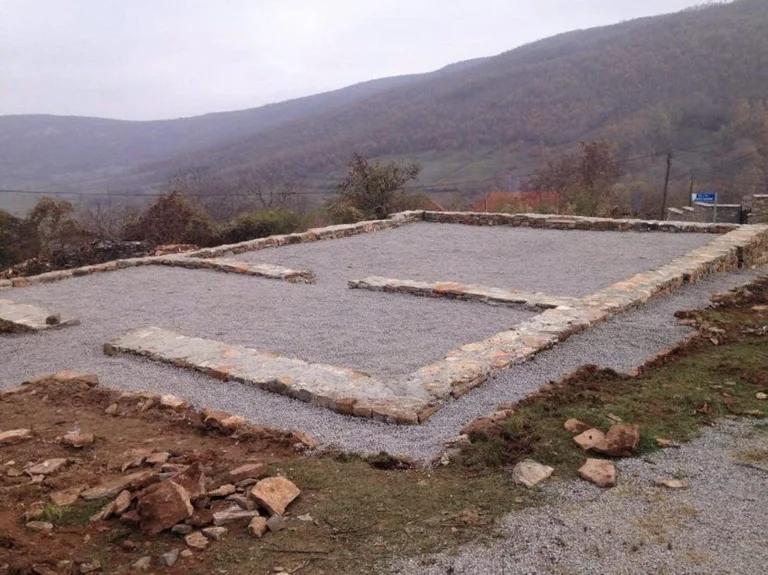
The restoration works have been completed on the old Mejten and mosque of Malisheva's village of Shkoza. These works are run by the Regional Centre for Cultural Heritage in Prizren under the implementation of programmes for intervention in cultural heritage assets supported financially by the Ministry of Culture Youth and Sports.
The old village of Shkoza mosque and Medita was built in 1916, where according to oral data from the elderly of this village, this mosque along with the Mejtapi (school) was built with the contributions of villagers about a hundred years ago.
In addition to this school mosque, patriotic hojaries since the former royal Yugoslavia had secretly taught children Albanian - language reading by means of Albanian books provided in secret by the consul of then - called Albania in Skopje.
The objectives of the mosque and the Mejt from January 1999, except as the object of the cult, was also used by the KLA as its host and its members' residence. Serbian forces after breaking up KLA positions in March 1999 burned and completely destroyed this facility.
In addition, according to reports from residents of this village in this mosque served many prominent village of Shkoza, as the village's first hoja Bajram Bytyci, at the same time senior and renowned activist of 1900-1913, later served Hafa Islam Bytyci as a young homeland hodge and intellectual, poet and member of the secret home organisation, Dritta”, which operated during 1930-1939. Also serving in this religious site was Mula Adem Bytyci, a patriotic hodge who was leader of the Shkoza men and the most widely in the wars for protecting the border of ethnic Albania in Kolash during 1942-44.
The director of the Regional Centre for Cultural Heritage in Prizren, Samir Hoxha, noted that “theres of the ruins of the schoolyard mosque, now restored, are of historic importance, but also of the vaccine for local architecture, because it is the only public architectural building that has had the village of Shkoze” “Other generations there have been educated with initial knowledge, so this building has fostered the spiritual and educational need of the community and as such as the preservation and presentation of this monument was necessary since it represents the source of knowledge, and in the same time evidence of the recent consequences of the cultural war <x>
It is noteworthy that after the restoration and confirmation of the foundations of this cult heritage asset as part of the Regional Centre for Cultural Heritage in Prizren, residents of this village have expressed their readiness to take care of this monument, not saving even financial support for the arrangement of the amnesty around it as well as the monitoring infrastructure.