 3 hours ago
10 years after he revolutionized himself, Tunisia's hero is cursed by the people
Periskopi(5 years ago)
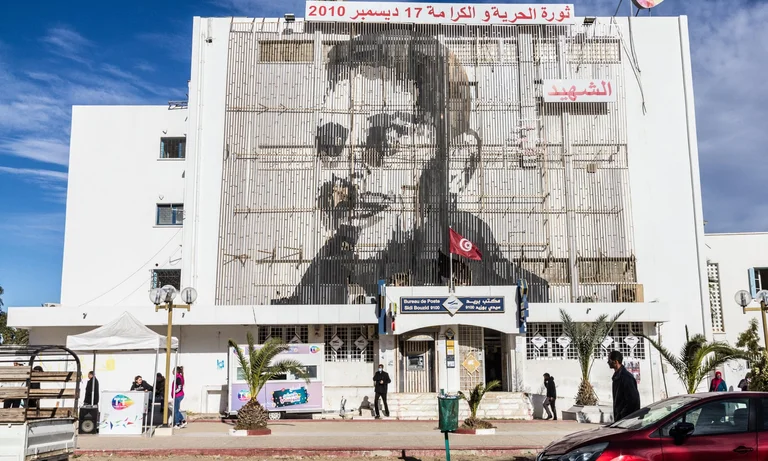
(5 years ago)His act of despair shook the Arab world. Mohammed Bouazizi, the 26-year-old treeman who in his despair sparked revolution in the entire Middle East, has a boulevard named after him in the capital of Tunisia, Tunis. In his hometown, Sidi Bouzid, he has a giant portrait in front of local government offices. But one [...]
However, a decade before the tía set itself on fire as a protest of corruption and state brutality, Bouazizi came out of fashion in Tunisia as did the revolution he was inspired by his death. His family moved to Canada and lost contact with Sidi Bouzid. They were being stained by people,” said Bilall Gharby, 32, a family friend.
On Sidi Bouzid's main road, a passer named Fethiya Iman, 54, was asked what he thought of Bouaziz. She said “ “I want to remove that portrait. He destroyed us. ”
Qais Bouazizi, Mohammed's cousin, said his last name was once a symbol of the Tunisian pride. The city of Sidi Bouzid and the surname Bouaziz are pronounced a curse,” he said.
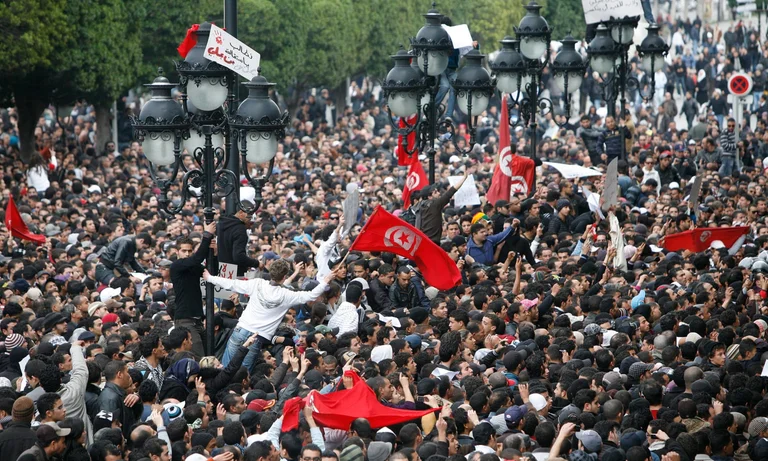
Myths for Tunisia the cradle of protest movements, the only story of success, the flag-bearer for Arab democracy, the more and more of the coals that were carried from the Mediterranean coastline to countries where rage had gone to a climax against the former authoritarian president of this country.
Ten years later, Tunisia is democracy. It has survived the killings, terrorist attacks, and ideological plots of its leaders, and at significant moments has survived the return to authoritarian rule, as it did in Egypt, and has escaped civil war, as did Syria, Yemen and Libya, it translates Periscopi.
Tunisians are cheaper to criticize their leaders, cheaper than they were before, and their choices are more honorable. Yet people are more miserable and disappointed, joining jihadist groups in higher numbers than any other country in the world, and making up most of the migrants who fly to Italy every year
For most, the revolution has experienced a decline in standard of living. Economic growth has been halved since 2010, and unemployment is wandering among young people, making up 85% of them.
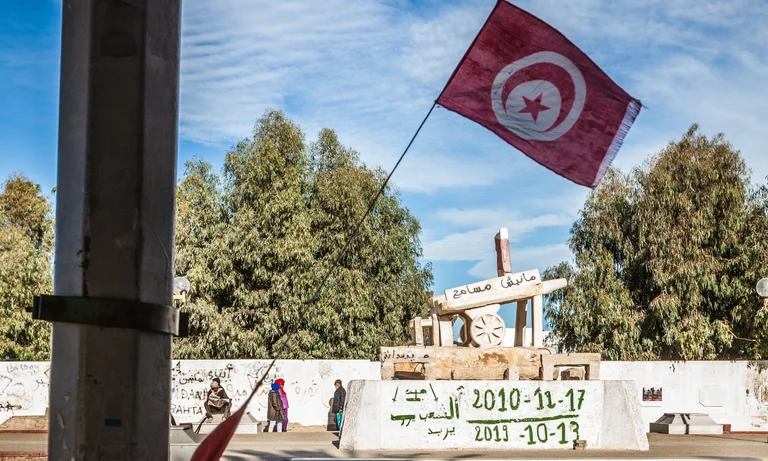
Nothing changed,” said Ashraf Hani, 35, who saw his shirt split the road where Bouazizi set himself on fire. Everything's getting worse,”
The debates Tunis is occupied with, such as whether women should have inheritance rights like men, or whether the presidency should be reserved for Muslims, give sound sense to Sidi Bouzid's people, says Qais Bouazizi, 32. These are far from the social questions the revolution arose for. Our slogans were for work and dignity. ”
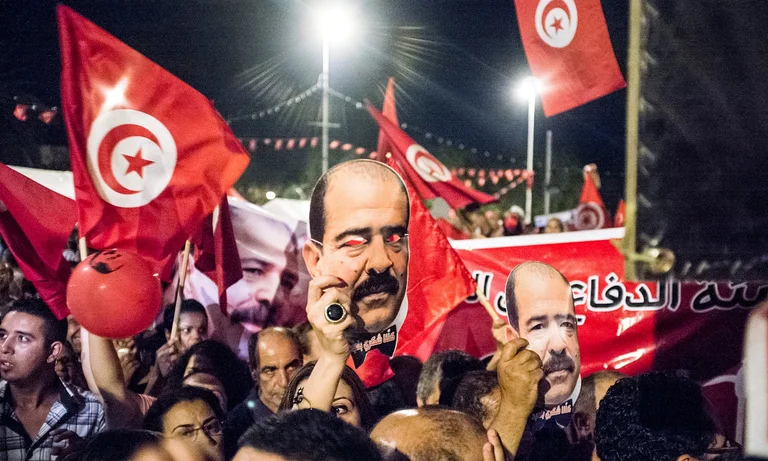
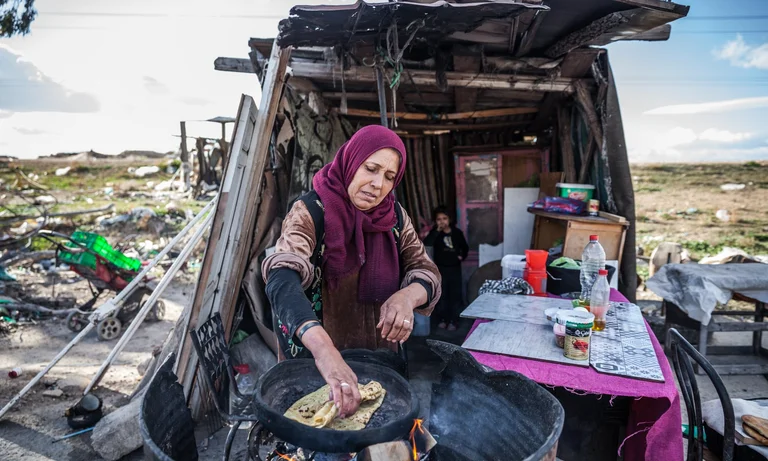
On the outskirts of Cairo, a desert town an hour away from Sidi Bouzid, Aishe Quraishi, 60, said the corruption that had characterised Ben Ali's period continues to damage her life. Foreign aid was directed to this area to build small brick huts for him and other women selling bread separated roads. Most of the money evaporated, she says.
“We got some freedom,” says it's Ben Ali's ouster from power. “When he was we couldn't talk. But does this affect my life? I want freedom and dignity. Can't I have both? ”
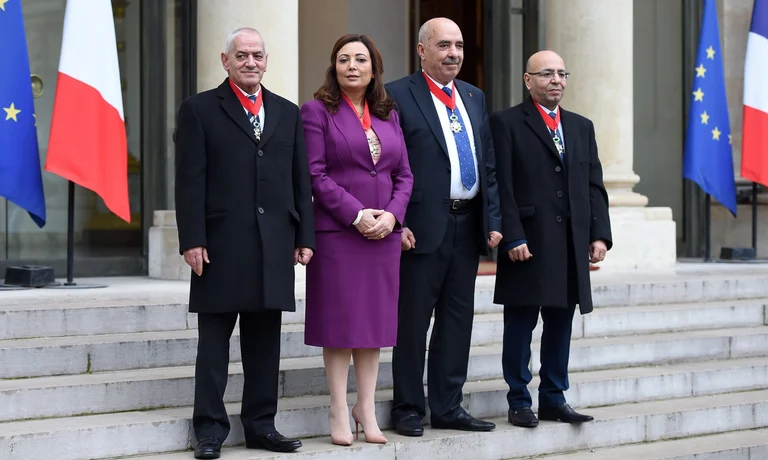
The fruitage of the revolution is quite evident in the Bardo Palace, a 15th century museum and the capital's parliament, where styles of Roman, Islamic and European architecture blend.
Only 27 percent of the Tennis say their lives are best since the Arab Spring. 84 percent say that the inequality between the rich and the poor has increased by the coming of the revolution. Only 6 percent feel that it is more difficult to criticize the government than before. 70% support the protests at the time.











