 8 hours ago
Kurti: Can't trust Serbia standing on mass graves while denying them
Periskopi(6 years ago)
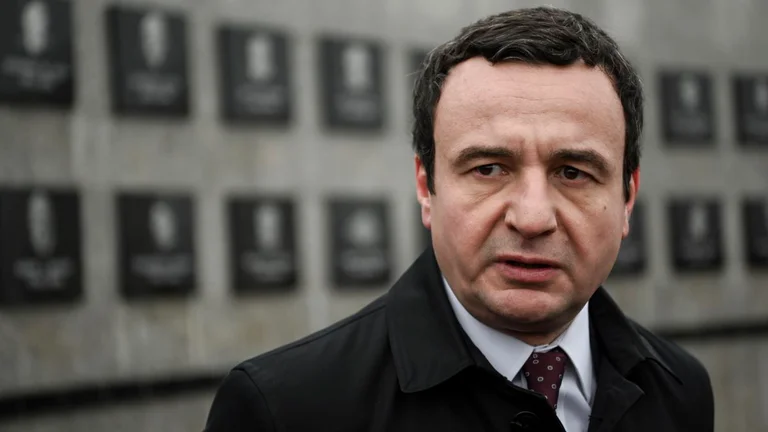
(6 years ago)VV chairman Albin Kurti says Serbia continues to insist that Kosovo is Serbia and calls on internationals to pressure Serbia to give up its aggression policies against Kosovo. On International Day of Memorial of genocide victims, Kurti writes: “We fought genocide, the world helped us in the name of humanity, [...]
VV chairman Albin Kurti says Serbia continues to insist that Kosovo is Serbia and calls on internationals to pressure Serbia to give up its aggression policies against Kosovo.
On the International Day of Memorial of genocide victims, Kurti writes:
We fought against genocide, the world helped us in the name of humanity, and today we're here. I don't know about any other people in history, who have been so ready for forgiveness and reconciliation, as we Albanians have shown. Because we love peace, not conflict. But no one is yet apologizing. Nobody's taking the blame. And you can't forgive what, even now after 21 years, continues to insist that “Kosovo is Serbia”, so Albanians do not have the country in Kosovo. In respect of the victims of the Serbian genocide against Albanians in Kosovo, we must always firmly state that Kosovo is independent, with its Albanian majority and other minorities, without having enough revenge and revenge among themselves, but only with the common goal for co-operation, for democracy, for development.
Today, I always call on internationals to increase pressure on the Serbian government to give up aggressive policies against Kosovo, and to impose justice by condemning political and military responsibilities for the genocide. This would be the real foundation for a stable, secure and peaceful European Balkans. Can't trust those who stand on mass graves as they deny them”
Full text:
The word “genocide” was used for the first time by Polish lawyer Rafał Lemkin in 1944. The term is made up of the Greek prefix genos, meaning race or tribe, and the Latin background acid, meaning murder. Lemkin developed the term, in part, as countering the Nazi policies of the Jewish systematic murder during the Holocaust, but also as counter-responsive to previous cases in history of actions aimed at destroying individual groups of people.
After only four years, in 1948, the first human rights treaty, dubbed the Convention on Prevention and Punishment of Genocide, was approved by the General Assembly. It is December 9th that marks the 72nd anniversary of this convention as well as the international day of commemoration and dignity of the victims of genocide and its prevention.
This convention offered the first legal definition of the term “genocide”, as well as the subliment duty for signatory states to prevent and punish genocide crime.
Even though the international community came together to say KU OVER this convention, less than 50 years later, the world witnessed the genocide committed in Bosnia and then committed in Kosovo.
The Memorial and dignity of the victims of genocide crime goes beyond the anniversary. It begins with recognition and acceptance of what happened. By taking steps to address the past.
During our rule in the spring of 2020, we had begun our internal discussion of Serbia's lawsuit in DND for genocide, but our work was interrupted. With our return, we will continue and finish what we have started.
Because genocide is more than a term. More than a crime to be remembered on December 9.
Genocide beyond legal definition, is an attempt to eliminate parts of history. Parts of humanity and whole world built for generations. When talking about dialogue today, we should remember that we stand on a land watered with the blood of the innocent.
When talking about reconciliation, we should not forget that to this day piles of bones continue to be discovered, the bodies of Albanians killed and buried in mass graves, without a name and no sign. We should not forget the families of the victims, a considerable part of whom still do not have a tomb where to place a flower in memory of their loved ones. Today is the day of pain for all humanity, so today we remember victims around the world with respect, and condemn them with all the determination of the heart genocide politics. The more we, as Albanians, experienced genocide through mass killings, systematic rape, violent evacuation, and destruction of homes and property. Those who say and say “Kosovo is Serbia” had a problem with the fact that Kosovo is now and over, there has been an Albanian majority. Between their dream of Kosovo's Serbisation and material and demographic reality, Albanians stood as a barrier to ʹ and therefore made genocide a final solution.
We fought genocide, the world helped us in the name of humanity, and we're here today. I don't know about any other people in history, who have been so ready for forgiveness and reconciliation, as we Albanians have shown. Because we love peace, not conflict. But no one is yet apologizing. Nobody's taking the blame. And you can't forgive what, even now after 21 years, continues to insist that “Kosovo is Serbia”, so Albanians do not have the country in Kosovo. In respect of the victims of the Serbian genocide against Albanians in Kosovo, we must always firmly state that Kosovo is independent, with its Albanian majority and other minorities, without having enough revenge and revenge among themselves, but only with the common goal for co-operation, for democracy, for development.
Today, I always call on internationals to increase pressure on the Serbian government to give up aggressive policies against Kosovo, and to impose justice by condemning political and military responsibilities for the genocide. This would be the real foundation for a stable, secure and peaceful European Balkans. You cannot trust those who stand on mass graves as they deny them.











