 8 hours ago
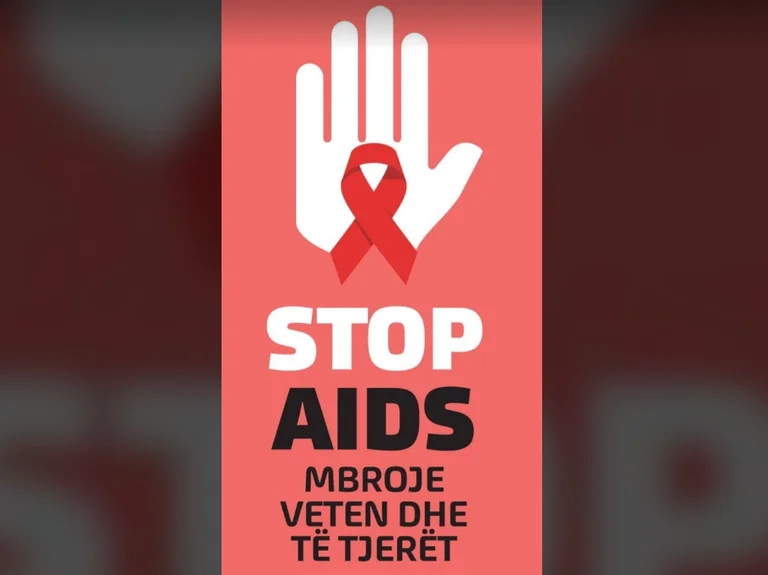
Global Day Marked Against HIV/ AIDS in Kosovo: “Stop AIDS, protect yourself and others”
Periskopi(6 years ago)
(6 years ago)December 1st is set as World Day Against HIV/ AIDS. The number of HIV sufferers in the world is growing rapidly, so this is rightly described as the most dangerous disease in recent decades. Kosovo is classified as a low-scale epidemic country, but with potential growth, [...]
Kosovo is classified as a low-scale country of epidemics, but with the potential of growth, especially among the MSM community (men who have sex with men), but also among people who are injected with drugs, people in prisons and other closed facilities, employees in public homes and their clients, etc.
Between 1986 and 2020, fewer than 150 cases have been reported in Kosovo, where the Pristina municipality dominates with the largest reported number. Without adequate investments, increased HIV privacy among the MSM community will continue to increase, with predictions suggesting it may be around 4% to 2022.
Kosovo has maintained a low level of HIV privacy over the past decade, and in part this could be attributed to past investments by responsible institutions. However, there are many opportunities to improve the situation further because the danger is permanent. Kosovo as a country faces major socio-economic and political challenges: high rates of poverty and unemployment, increasing the use of drugs, high-risk sex behaviors, growing MSM community, frequent mobility of Kosovars in high-prevales countries, and all these factors could trigger a rapid spread of the HIV epidemic if we do not have the right response.
The “motto campaign Stop AIDS: Protect yourself and others”, organized as a need to deliver messages on how to protect all citizens to the greatest extent in order to prevent this deadly disease. The project took place in Pristina and Gracanica, where the distribution of leaflets was made to citizens of all communities with information prepared by experts in the field of HIV/ AIDS.
Awareness of this problem is important in order to keep HIV's lower predictiveness among the general population and what is most likely to be affected.
War HIV means not only to end transmissions, but also to the stigma of people living with HIV who still face unacceptable levels of discrimination and stigmatisation that can limit their possibilities, prevent them from living full and happy lives.
In order to improve the quality of life of persons affected by HIV and AIDS in Kosovo, dance campaigns must be greater to end discrimination and ensure that people living with HIV have full access to health care, education, jobs and other rights, which all citizens enjoy.
It's the HIV virus that affects human immunity, damaging the body protection system, which also causes AIDS. Because of the damage to the defense system, the body is no longer able to fight disease, thus leading to its degradation. Experts Explain That the Deadly Virus HIV can be transmitted through the exchange of any human body fluid, blood, secretions, breast milk, and so on.
HIV transmission routes/ AIDS:
Through blood transfusion, syringes or infected blood;
Intangible sex, HIV carriers;
From the mother infected to the child during pregnancy, childbirth, or breastfeeding.
Ways beyond HIV/ AIDS:
Through regular contacts, like touch, holding hands, kissing;
During coughing or sneezing;
By stinging various insects;
During joint use of toilets, pools and showers;
While eating or drinking with an infected person;
During association with infected people.
In Kosovo all persons diagnosed with HIV/ AIDS, in addition to counseling and testing, provides ARV therapy. Although there is no cure for HIV infection, however effective antiretroviral drugs (ARV) can control the virus and help prevent transmission, so that people with HIV and those with considerable risk can enjoy healthy, long, productive lives.











