7 minutes ago
Miftarian: Kosovo has offered amnesty for those who committed war crimes in Kosovo
Periskopi(6 years ago)
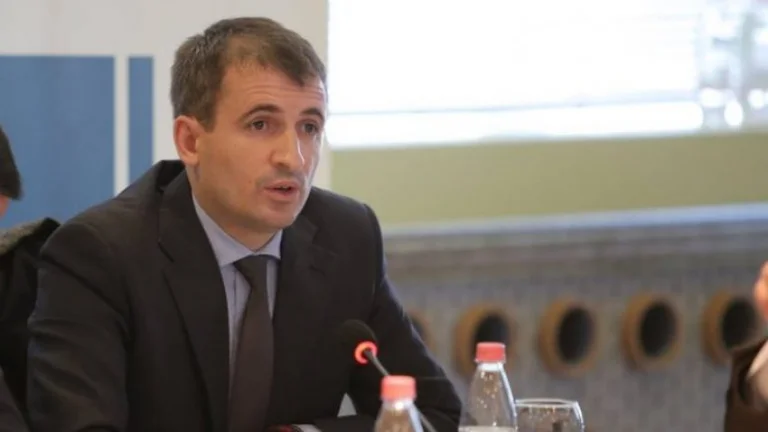
(6 years ago)The director of the Kosovo Institute for Justice, Ehat Miftaraj, says Kosovo will have a hard time doing something about war terms a few years later. Miftaraj says osova sé has begun to fulfill the obligation to whiteen war crimes. The fact that we are 21 years after the end of the war [...]
Miftaraj says osova sé has begun to fulfill the obligation to whiteen war crimes.
For ourselves, the fact that we are 21 years after the end of the war and Kosovo has almost not even begun to fulfill this obligation in the dawning of all war crimes in Kosovo, then certainly every year we lose means that Kosovo will almost have to do something about war crimes in Kosovo”, he says.
Miftaraj considers that the government should draft a national strategy on the issue of investigating war crimes, which, according to him, should be adopted in the Kosovo Assembly.
He recalls the small number of people who have been tried and convicted of war crimes in Kosovo.
This provides the necessary need for Kosovo to change access and to have proactive policies in the investigation, prosecution and trial of war crimes in Kosovo. The Hague International War Crimes Tribunal, which has finished work several years ago, in its final report had demanded that every single state -- Serbia, Croatia, Bosnia and Kosovo -- investigate war crimes that have occurred in Kosovo territories. While states such as Serbia, Croatia and Bosnia have been much more active investigating and pursuing, war crimes, Kosovo has almost remained silent, asleep, offering full amnesty to all those who committed war crimes in Kosovo”, Miftaraj told Kosova Prees.
A war crimes strategy by the Kosovo Prosecutorial Council is already adopted in Kosovo.
But unfortunately, the country has only three prosecutors investigating and prosecuting war crimes, near the Kosovo Special Prosecutor.
Within this, the director of The IKD estimates that Kosovo will have to have at least 20 prosecutors in the Special Prosecutor, followed by a large number of judges if it aims to complete a chapter of the investigation and trial of war crimes.