 5 hours ago
How much do we have to live with the new “normality”?
Periskopi(6 years ago)
(6 years ago)We have to say that the whole world is sick, by David-19. This has been a difficult year to see friends and family, canceled weddings, children missing school, limited career freedom that ended, and unfortunately many lost lives. So when can we expect to go back to normal? [...]
We can go back to normal in the summer of next year. Poor not in the nominality we had in 2019. For that normality we have to wait 5 years,” says Julian Hiscox, of Liverpool University.
Some scientists believe that to manage the virus, our life can change forever. A multiple vaccine or infections throughout life can provide sufficient immunity to prevent a virus as deadly, and it seems that it is also happening with Covid-19.
This thing will change over time. The problem is what happens during those days. I don't see a way that's not painful or a simpler way to bypass the virus,” says Mark Woolhouse, from the University of Edinburgh.
During the coming months, we must spend the winter with the same anxiety. Winter is <x0) festival time” for respiratory infections, as we spend more time in closed environments and cold temperatures help viruses survive. Meanwhile, the virus is currently spreading four times faster, and everyone hopes for the handover that had little impact on the decline of the cases. The vaccine should have begun and calmed down.
I think the wine we've had makes sure the cases are reduced. We're not in the winter yet, and that's what makes you sad. It is certain that we will go towards another deadlock,” says Christina Pagel from the University of “Colge” London.
However, there is uncertainty. The virus was able to spread easily last spring, and the cases, while allegedly remaining low, began to grow again during the summer.
A third wave is certainly possible. And if neither the second wave nor the third wave are large enough to cause immunity in the flock and we don't have a vaccine, then a fourth wave is possible. In my opinion nothing will settle down for the next three months,” says Woolhouse.
The first vaccines are unlikely to be perfect.
According to experts, it is important to be realistic what we can achieve with a vaccine next year. They explain that vaccines associated with better treatments are a solution. There are 11 vaccines around the world that are in the final stages of testing. We're waiting for results to understand how effective they are.
Vaccines for other diseases change. Some prevent infection, others simply make the disease less serious, and not all respond in the same way. Hiscox is “intermediately optimistic”. According to him, the first section of vaccines will keep some people away from the hospital, but will not prevent human infection and the spread of the virus. And he warns that some of the weaker people from Coddy, like the old, can get a little protection from vaccines. For Woolhouse, a “vaccine would clearly change the game”. But the history of medical research indicates that it's the mindless “” to rely on science for a little while.
“Normality” will still take time. We're already closer to normal than we were in initial isolation. Social distance will likely continue with a vaccine next year, according to Hiskox, but it will be the less strict “”. But he warns that conversion to normality will require a vaccine to prevent all people from being affected by Coddy-19, whether old or young.
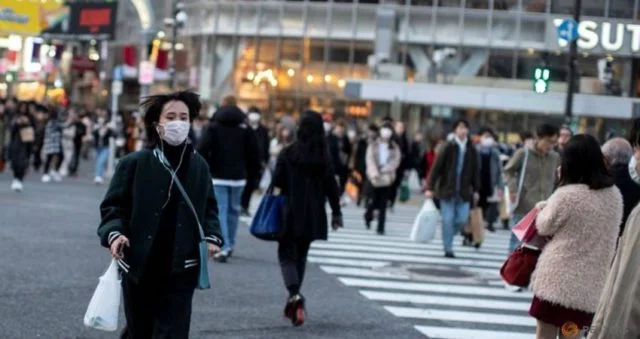
According to experts “There is a new” normality in their optimistic view, that means there is sufficient immunity to lower the transmission rate, so there is no “crisis”, but we will still have to wear masks on our face, be very careful with hand hygiene and social distance.
For Page, it's “it's possible that Avid can become an annual flu, but more people will be better than now”
This would make winter more severe than we are used to and raise pressure on hospitals that would essentially face a double “flu”,” the expert gets excited.











