 6 hours ago
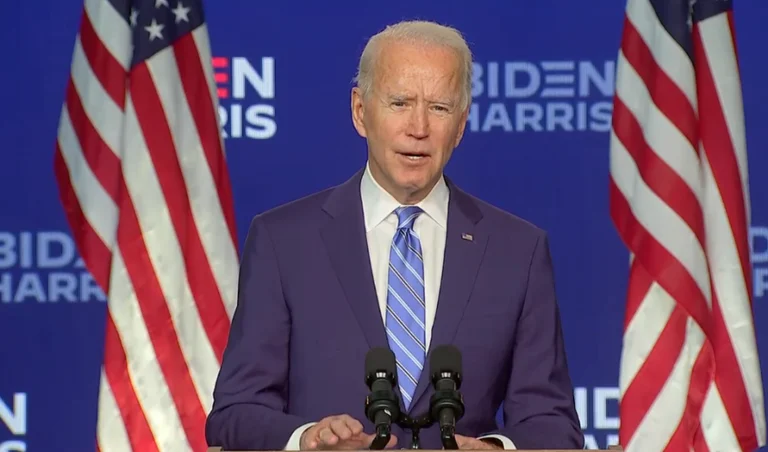
What does Joe Biden's victory mean for the world?
Periskopi(6 years ago)
(6 years ago)Joe Biden's victory in the US presidential election, defeating conservative populist Donald Trump, could mark the beginning of a dramatic change in America's attitude towards the world. But does this mean that things are becoming normal? The veteran Democrat politician, who will take office in January 2021, has promised [...]
Joe Biden's victory in the US presidential election, defeating conservative populist Donald Trump, could mark the beginning of a dramatic change in America's attitude towards the world. But does this mean that things are becoming normal?
The veteran Democrat politician, who will take office in January 2021, has promised to be a safe party to the world. It vows to be more friendly with America's allies than Trump, harsher to the Ottomans and better for the planet. However, the foreign policy picture may be much more challenging than he remembers, writes CNN.
Many things have changed since Biden was last in the White House as vice president of former President Barack Obama. America's enemies, some shaken by Trump, others enabled by him, are more embedded.
Russia's President Vladimir Putin, Chinese President Xi Jinping, North Korean leader Kim Jong Un and others exploited Trump's futility and ego, while reaping their profits some are now effectively leading life.
Beden promises to be different, return some of Trump's most controversial policies, including climate change and work more closely with American allies.
Regarding China, he says he will continue the Trump hardline for trade, theft of intellectual property and mandatory trade practices by co-operating instead of bothering allies like Trump did.
Regarding Iran, he promises Tehran will have a way out of sanctions if it comes in line with the multinational nuclear agreement he supervised with Obama, but Trump rejected. And with NATO, he is already trying to rebuild confidence by pledging to strike into the Kremlin's fears.
These are simple crowd pleasures for the veteran politician who for many years headed the American Senate Foreign Relations Committee. Consumed in the traditions of the US global leadership that protect democracy and human rights, he was a lawyer for US interventions in the Balkans and Darfur, and postponed non-proliferation of nuclear weapons.
But executing his foreign policy vision will now not be simple. For four years, countries across Europe, the Middle East and wider US foreign policy changes. One day Trump was withdrawing American troops from Syria to shake up troops at risk to change course quickly. Putin, Syrian President Bashar al-Assad and countless Islamic fighters won from immediate and long-term confusion from America's damaged reputation as a trusted ally.
Beden now risks being thrown into a wall of needy friends, all bent on wrongdoing. After American allies endured an American foreign policy distribution strategy that undermined traditional alliances and threatened world order, managing their expectations for a new presidency will be essential.
Turkish President Recep Tayip Erdogan will also be a new challenge for Biden. Erdogan is promoting conflicts in Syria, Libya and Armenia, and even raising tensions with Greece and France to draw attention to its failures in the country.
Trump's desire to secede from the region had signalled to Erdogan that America would not lead Allies to force him; the Turkish leader has since damaged NATO's alliance by buying Russian weapons and supporting attacks on the Middle East and the interests of European allies in a way that is unlikely to have been tolerated by previous US administrations.
Trump is not the only one to blame for the power vacuum that made this outgoing president possible just accelerated the departure of the Obama-Biden era's engagement. For the next four years, Obama's own insulating legacy will pursue Beden's relations with allies, as well, especially in the Middle East.
Trump's resistance to Iran, in contrast, has reaffirmed the Gulf allies that he had their support. But concerns that his mistakes could cause a war have encouraged allies to seek support elsewhere, deepening ties with Moscow and Beijing.
Beden will now have to convince the allies that the US is a stable long-term partner, while making frauds about the long-term threat posed by strengthening China.











