10 minutes ago
O expert BSH calls for more data on COVID-19 vaccines
Periskopi(6 years ago)
(6 years ago)The World Health Organization's leading vaccines expert says the agency should assess coronary vaccines and their reactions to immunity based on more than just press reports. Kate O'Brien, director of O The BSH for immunisation and vaccines said at a press conference in Geneva on Friday it is not yet [...]
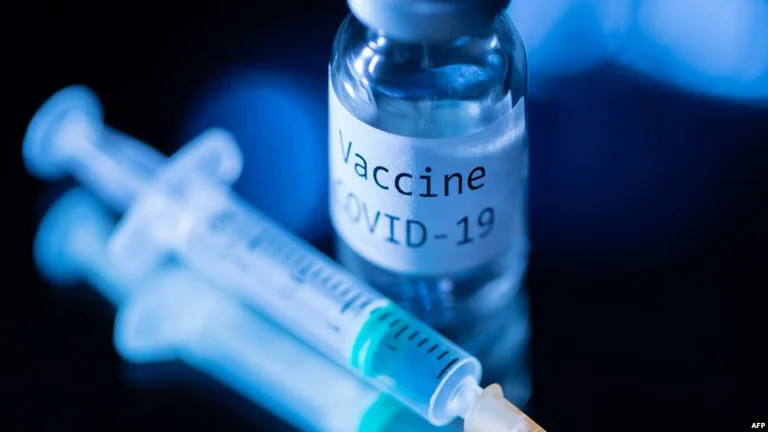
The World Health Organization's leading vaccines expert says the agency should assess coronary vaccines and their reactions to immunity based on more than just press reports.
Kate O'Brien, director of O BSH for immunisation and vaccines said at a press conference in Geneva on Friday that it is not yet clear whether the vaccines against COVID-19 may reduce people's ability to spread the virus.
The “is really important that we start getting more information about what vaccines do, not just about preventing the disease, but about preventing the virus,” said OöBrien.
British pharmaceutical company AstraZeneca said on Thursday he is co-operating with government regulators in investigating an experimental vaccine production error for COVID-19.
The pharmaceutical company and Oxford University have acknowledged that a lower dose of the vaccine has resulted in more effective than a full dose, according to a spokesman who spoke after AstraZeneca's chief executive said a further global trial was possible. The statement comes as the company prepares to provide a small amount of medicine ahead of plans to distribute 4 million doses of vaccine by the end of the year.
England-based pharmaceutical company said earlier this week that their vaccine overall was 70% effective, but there were differences between the two doses. One was 90% effective. The other was 62%.
Even Pfizer and Moderna companies have announced the initial results from late-stage evidence showing their vaccines were nearly 95% effective.
Meanwhile, in the United States, where the number of cases of coronarys was near 13 million, according to Johns Hopkins University, the pandemic made Black Friday's most intense shopping day small in stores throughout the country. Many stores are using online shopping.
The number of patients with COVID-19 being treated in hospitals across the United States reached 90,000 on Friday after nearly doubling last month, according to Reuters news agency, Voa broadcasts. Hospital hospital stays come after weeks of increased infection rates in the United States and have raised concerns that gatherings for Thanksgiving this week with family and friends would lead to more infections and hospitalizations.
In Ireland, the government said it would allow shops, restaurants and gyms to reopen next week after the last round of closures. Prime Minister Michel Martin said the trip will be allowed among the counties in the week before Christmas.
“Now we have the opportunity to enjoy a different but special Christmas,” he said in a televised speech.
Officials in France said the level of new coronary infections slowed again on Friday, as the country prepares to allow the reopening of shops Saturday.
Italy is also seeing a gradual drop in hospital stays by the Coronavirus, prompting the government to announce it will ease restrictions in five regions from Sunday, including the populated region of Lombardy.
The number of coronary infections in Germany reached 1 million on Friday. The Centre for Disease Control in the country, the Robert Koch Institute, reported 22,806 cases overnight, bringing the country's total from the beginning of the epidemic to more than 1 million.
Iran announced on Friday that its government offices would operate only with essential staff due to an increase in the cases of the coronary. Officials reported a record number of new cases Friday 14,051 by bringing the country's total to more than 922000.
In other developments, Australia's second largest state, Victoria, has not registered any new infections or deaths from the Coronavirus in the last 28 days, health officials said Friday.
The state had no active case after last patient COVID-19 was released from the hospital on Monday.
While Victoria has reached the 28-day standard, widely accepted by health experts as eliminating the virus from the community, cases of coronary infections have been discovered in other parts of the country.
In Latin America, Brazilian President Jair Bolsonaro said on Thursday he would refuse a choreography vaccine, his latest statements with scepticism on the vaccine.
I'm telling you, I'm not taking it. It is my right,” he said in comments broadcast on several social media platforms.
Brazil, with more than 6 million cases of COVID-19, is second only to the United States and India, and with more than 171,000 deaths, is behind the United States alone, according to the Johns Hopkins Coronavirus Research Center.