 8 hours ago
Voted to remain French territory in the 21st century Macron thanks them
Periskopi(6 years ago)
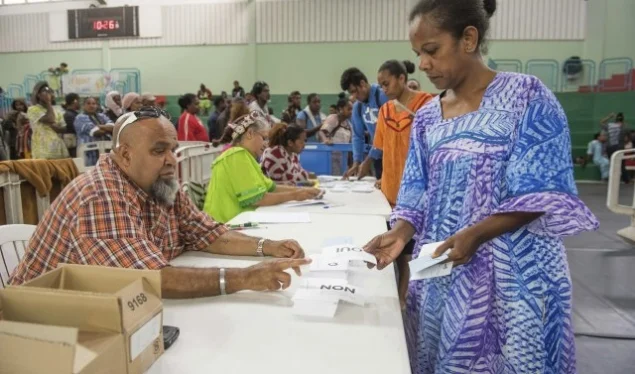
(6 years ago)“Jo” of independence prevailed in today's referendum in New Caledonia, French Archipelago in the South Pacific. According to the final results, 53.26 per cent of voters were for this option in the referendum, with an unprecedented turnout. However, the number of those who voted against independence has dropped by more than three percent compared [...]
According to the final results, 53.26 per cent of voters were for this option in the referendum, with an unprecedented turnout. However, the number of those who voted against independence has dropped by more than three percent compared to a similar referendum held on November 4, 2018.
Two years ago, 56.7 percent opposed independence, compared with 43.3 percent for independence. This gap narrowed in today's referendum, where 53.26 percent of citizens opposed independence, and 46.74 percent were in favour of independence.
The results also show that turnout was historic ʹ85,64 percent, or 4.5 percent higher than in 2018, when 81 percent of voters appeared.
French President Emmanuel Macron expressed a <x0 deep appreciation” in a statement following the announcement of the final results and the victory of those who voted to remain in France.
The callers voted. They have confirmed their wish that New Caledonia remain in France. As head of state, I take this as a sign of confidence in the Republic with a deep sense of gratitude. I also take these results humbly,” said Macron in a speech from the Elisee Palace.
The referendum question was “Do you want the New Caledonia to gain full sovereignty and become independent?
Victory “not” means the organisation of the third referendum by 2022. This option has already been rejected by those who are pro-standing in France, while those who favour partition say they want to implement it.
With today's vote, New Caledonia remains French territory, and therefore part of the European Union, with citizens maintaining French citizenship.
The referendum has long been planned and concentrated on local issues, but comes at a time when the legacy of colonialism is under new scrutiny globally after the recent months against racism inspired by the “Black Livings Matter” movement in the United States.











