 4 hours ago
Most Syria-turned children have post-traumatic disorders
Periskopi(6 years ago)
(6 years ago)Of the 110 Kosovars whom the state of Kosovo arrived, in co-operation with the United States of America, to return to the country last year, there were 74 children among them who have stayed in dangerous hearths. For 10 percent of these children are caring for their grandparents, since parents in it [...]
Of the 110 Kosovars whom the state of Kosovo arrived, in co-operation with the United States of America, to return to the country last year, there were 74 children among them who have stayed in dangerous hearths. For 10 percent of these children are caring for their grandparents, since their parents have most often died. They are facing post-traumatic disorders, while still having difficulty learning Albanian. They are looking for psycho-social services and better conditions.
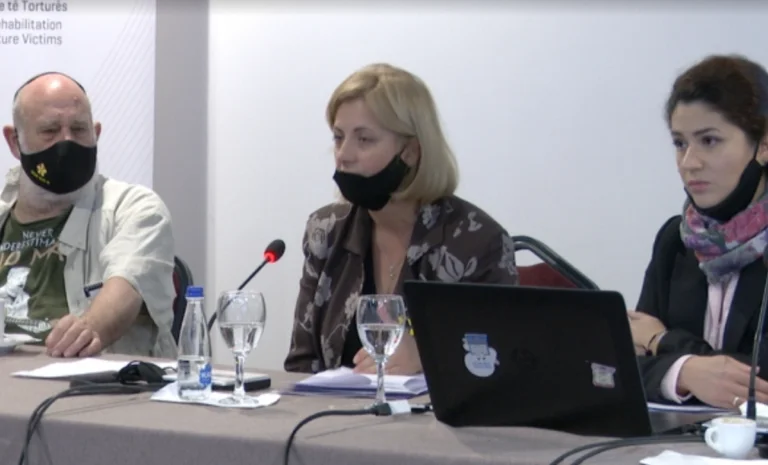
So it says in reporting on the subject “assessment of children's needs and communities returning from conflict areas and institutions in offer of community services: Reviewing the rehabilitation and reintegration process”. This is the 18-month project of the Kosovar Centre for the rehabilitation of Torture Survivors, which presents the need for the treatment of returning children who are facing trauma.
Director of the Kosovar Centre for the rehabilitation of Torture Survivors Feride Rushiti said the purpose of this report is for key activists to work in this area.
The “aims to intervene directly psycho-Social to children returning from conflict zones. And part of the program has been dedicated to this very research in order that during the intervention process, we as an organization, but also other actors who work in this area have more clearly what capacities exist, what needs to be done, what are the gaps and where it needs to be invested. To get to this research, of course, we've had close co-operation with Professor Moshen, who is an expert who for years co-operates with the CRC, but most of all works and acts in Kosovo and knows the contextal circumstances of Kosovo”, it is expressed.
Rushiti stressed that they have managed to contact only three families returning from Syria, for which he added that the total number of those who have arrived is huge.
Meanwhile, international expert Moshe Landsman stressed that political-makers and other adults who had direct contact with returnee children were interviewed under this research. He has stressed that the process of interviewing has been difficult, and coming to sessions with mental health professionals, since many of them have poor economic status.
“10 percent, 7 or 8 of them are growing by grandparents or other relatives, and that is because both parents have died, or for some reason they are not able to care for their children. These children seem to have fewer problems than those who were raised in their original families, originally in terms of integration into society. They are less exposed to extremist propaganda. At the moment, most children are in schools, in classrooms that are lower than their age, because they never went to school in Syria. When most of them returned, they had problems learning English, and then we had problems with school curriculum. And the logical conclusion was that they should be placed in schools lower than they are of age. Some schools have not even put them in regular classrooms. They have only received private lessons, or lessons between”, Landsman stressed.
Landsman has stressed the need for help in learning all these children who are left behind in this regard. According to him, the main issue with these children is the trauma these over 70 children have experienced from war grounds.
The overwhelming majority of them have post-traumatic shock disorders where professionals should be taken. There's a question of the issue of religious indoctrination, we've interviewed two religious experts, they're both imams, even though one of them doesn't think it's a profession. They had contact with families when they first returned, but then they were rejected by families and now have fewer ties with them. But children seem to be slowly integrating into their classroom environments by teachers. Perhaps when you live in an environment, you do not understand how culturally changed he is. All schools have pictures of the prime minister and president on the wall. Some of the children have opposed this because they believe Islam prohibits photo”, he said.
Men of all women actually took place in prisons, and the latter refuse to contact even in case of need. International expert has demanded the provisional release of arrested men who pose no problem from institutions, because according to him these should be economically empowered and work. Among other things, he has sought psycho-social treatments for all children, since the same are facing post-traumatic disorders.
In April last year, over 100 Kosovars were repatriated from the conflict zone in Syria, most of which women and children. Some of the children at first have been part of a family housing scheme, but the same is not permanent.











