6 hours ago
Istanbul Convention A key step, implementation remains challenge
Periskopi(6 years ago)
(6 years ago)The inclusion of the Istanbul Convention in the Kosovo Constitution is considered an important step in dealing with gender-based violence cases, however, the challenge is estimated to be implementing it. The Council of Europe Convention on Prevention and Fighting Violence Against Women and Family Violence, known as the Istanbul Convention, is [...]
The inclusion of the Istanbul Convention in the Kosovo Constitution is considered an important step in dealing with gender-based violence cases, however, the challenge is estimated to be implementing it.
The Council of Europe Convention on Prevention and Combating Violence Against Women and Family Violence, known as the Istanbul Convention, is the most advanced international treaty to address such serious human rights violations.
Prevention of violence, protection of its victims, and prosecution of perpetrators are its main goals, which violence against women recognises as human rights violations and as a form of discrimination.
The convention requires states to criminalize or punish acts such as domestic violence, persecution, sexual violence, including rape, harassment, forced marriages, female genital disorders, abortion, or forced sterilization.
The inclusion of this Convention in the Kosovo Constitution calls Adelina Berisha good news by the Kosovo Women's Network.
She says adopting it is a step that Kosovo will best handle and more seriously violence against women.
We have hope because this document obliges our country to deal with violence against women seriously, it's a step that's also required by the EU where we intend to deploy in our future and become part of Europe. Thus, it means all aspects of this change in the Constitution and the introduction of the Istanbul Convention in the Constitution of Kosovo show that we as a state are heading straight the way required by the EU in combating violence by women. Normal then its implementation remains to be seen how it will be done, we have some changes to legislation such as the introduction of domestic violence in the Criminal Code and sexual harassment, which have been requirements coming from the Istanbul Convention”, she says.
Although he sees the implementation in practice of this Convention as problematic, Berisha says the institutions, since they have included it in the country's Constitution, should be more serious in its implementation.
I believe the fact that now the Istanbul Convention is part of the Constitution will remind me of all these representatives of institutions that are committed to implementing it. The fact that it has not been part of the Constitution could perhaps give someone comfort and not seriously deal with fighting violence against women. Now, however, because this document is a document that applies throughout Europe and beyond, and we have to apply it and we have vowed to implement it as a state by making it part of the Constitution. Then I believe that even institutions will be more serious in implementing and implementing demands coming from the Istanbul Convention. Of course, the introduction of this convention into the Constitution is not enough, because the convention itself has some requirements that states must make so that the Convention is implemented properly”, says Berisha.
Even Luljeta Demolli from the Kosovar Centre for Gender Studies says the inclusion of the Istanbul Convention in the country's Constitution is a positive step in the fight against gender-based violence.
It points out that implementation is difficult, including the problem of implementing many other laws in the country.
The “is initially difficult that implementation is the biggest problem in Kosovo, not only for gender-based violence, but implementation is problematic all Kosovo legislation. So this is going to be a sister of other laws that are having trouble implementing, but we hope there will be a commitment and a political will to implement this convention... we're a bit skeptical that Kosovo is not part of the Council of Europe and it's not part, a member of many other organisations that fight violence on gender grounds, but we hope very much and it's too early to put it on scepticism. We think that a way has been opened to be attached to all other countries and to fight”, she says.
Meanwhile, Ehat Miftaraj from the Kosovo Institute for Justice says the Istanbul Convention aims to further promote women's rights, to offer highly effective legal protection, but also in the institutional aspect of it, to impose institutions to take pro-active action in protecting women's rights and freedoms.
Istanbul's “Konventa is among those who reiterated the violence against women as a violation of human rights and freedoms and forcing states to work in four ways involving preventing violence against women, protecting them through centres that offer protection to women in cases where they may be subject to domestic violence or any other violence. More proactive prosecution, so institutions in any case when there is violence against women should be more vigilant, should be more active in order to investigate, to follow, and to judge all those who conflict with these values and the last is about integrated policies, which mean that all institutions should be co-ordinated, to co-operate in order to offer you yes, to promote women's rights in Kosovo<1>, he tells Kosovafis.
If this Convention fails to implement, Miftaraj says no sanctions for the country are provided. However, he says implementation remains in the will of Kosovo institutions.
Kosovo has directly received the obligation to implement a large number of the Council of Europe and the United Nations conventions, since these obligations Kosovo has taken unilaterally is not subject to saying that international and UN mechanisms, whether of the Council of Europe, which can somehow sanction or draft reports through which show how many Kosovo institutions implement these conventions. In this direction the only way to say the obstacle could be for Kosovo at a time when it wants to become part of the Council of Europe, and if Kosovo does not respect human rights and freedoms, including this Convention, it may be an obstacle to joining this Council. On the other hand, it still remains in the will of the institutions of the Republic of Kosovo, rather than implement this 148x1>, he says.
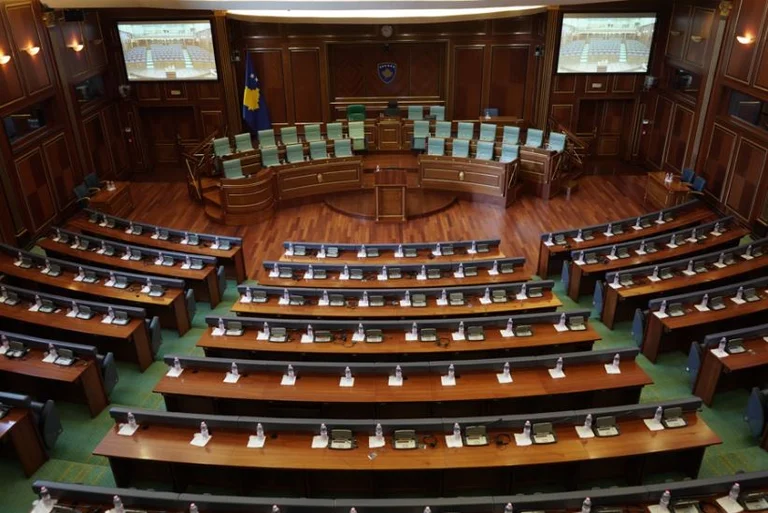
The Kosovo Assembly at the 25 September session has voted to include the Istanbul Convention in the country's constitution by 91 votes, including 17 minority deputies' votes.