 7 hours ago
Flynn for Krusha e Vogel: Investigations were opened to 50 people, only one captured.
Periskopi(6 years ago)
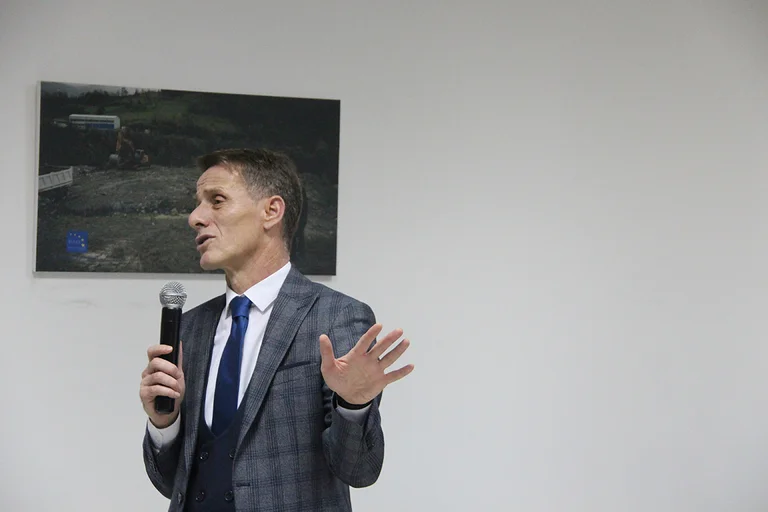
(6 years ago)Paul Flynn, chief of the Office for Human Rights and Legal Affairs in EULEX, said that in the case of the Krusha Minor massacre, there have been about 100 witnesses interviewed. According to him, the prosecutor and staff at the time had to re-interview almost 100 witnesses that lasted more than three to [...]
According to him, the prosecutor and staff at the time had to re-interview almost 100 witnesses that lasted more than three to four months.
In the case of little Krusha, as we know, there has been a terrible massacre against Albanian citizens in the southern part of Kosovo. Initially there were about 100 witnesses interviewed, and this was one of the cases that was chosen to focus on it. This meant that the prosecutor and staff at the time had to go there and re-interview almost 100 witnesses that lasted more than three to four months, while this evidence was given in the video recordings and we now had them”, Paul Flynn told “The Justice Vow”.
He added that they were able to prosecute the case of Darko Tasic, who was only one of the suspects charged with the Krusha e Vogel case. As he pointed out, the request for investigation was made against 50 defendants, and according to him, it was only one person who had been apprehended.
Unfortunately, they were at our disposal when the stage came when we were able to prosecute the case of Darko Tasic, who was only one of the suspects charged in the Krusha e Vogel case. The investigation was filed against the 50 defendants, and he was the only one we managed to catch. Once again facing obstacles and blockades, where even the quality of witnesses was a major obstacle, many of the witnesses when the time of judgment came gave various evidence of what they had given in their statements, and they were open to indirect questions about the defense which had caused doubt about the credibility of their testimony that the judges had accepted, there were also unnecessary delays like those in cases when a lawyer was not present then the hurt was postponed for another month, and then there was a delay... ”, he said.
For all of this and more about handling war crimes cases, attend the interview with Paul Flynn, chief of the Office for Human Rights and Legal Affairs in EULEX.











