5 hours ago
21 witnesses invited to interview over privatisation process in Kosovo
Periskopi(6 years ago)
(6 years ago)The privatisation process in Kosovo, which started 17 years ago, has ended in a parliamentary investigative commission, which so far, has noted there are indicators that this process has been followed by numerous irregularities. The commission is investigating the privatisation process launched in 2003 by the former Kosovo Agency [...]
The privatisation process in Kosovo, which started 17 years ago, has ended in a parliamentary investigative commission, which so far, has noted there are indicators that this process has been followed by numerous irregularities.
The commission is investigating the privatisation process launched in 2003 by the former Kosovar Trust Agency (AKM), which was followed in 2008 by the Kosovo Privatisation Agency (AKP).
Over 2000 assets worth over 750m euros have been sold from the privatisation process. These companies were privatised in over 100 waves of privatisation developed so far.
Most of the companies sold in Kosovo have been privatised with the method called regular spin-off, this approach that allows for the company's destination, while companies that are considered larger have been privatised with the special spin-off approach, which does not allow the company's change of destination.
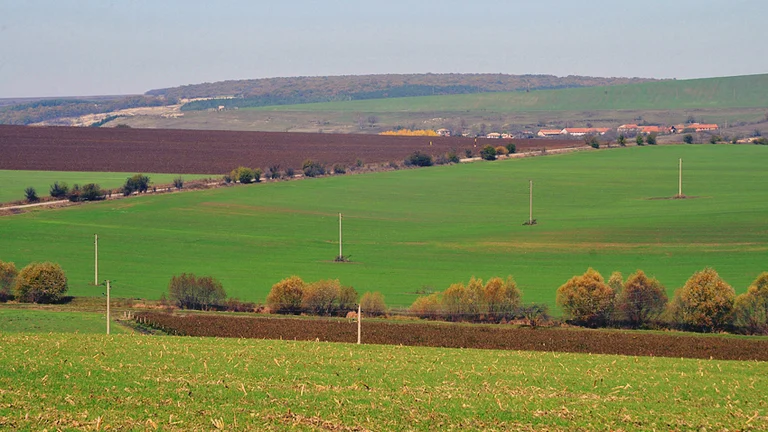
The privatisation did not save the surfaces of agricultural lands on public property. The Kosovo Privatisation Agency, through privatisation waves, has consistently declared various areas of agricultural land to be sold.
In a report by the Kosovo Privatisation Agency released in November last year, 663 agricultural lands and land of other categories reportedly have been privatised, without specifying the area. This number says that 595 are agricultural land, and 68 soils of other categories.
The entire area, according to the AKP report, has been sold for about 164m euros.
21 Witnesses Invited to Interview
For the privatisation of these assets, the parliamentary investigative Commission has invited 21 witnesses, responsible for the privatisation process.
Invited ones are former ministers responsible for the privatisation, chairmanship and board members and former chairmanships and members of the AKP and AKM board, management directors and former management directors of the AKP and AKM, and former fourth UNMIK officials, who were then covering the privatisation.
The investigation of the suspects has started on 12 October, following providing documentation by relevant institutions such as the Kosovo Privatisation Agency and other institutions. Foreign experts have also been engaged in examining this documentation.
Six of the 21 witnesses called by this Commission have been heard so far, while with the rest to continue in the next two weeks.
These 21 witnesses are only the first group, since, as Hajrullah Ceku says, the chairman of the Commission will soon be the second witness group to be invited by the Commission.
The second group of respondents will invite owners of companies that have privatised social companies, experts and connoisseurs of the privatisation issue, journalists and activists who have conveyed the privatisation process and former employees of companies that have cases and disputes over their rights.
A land bear sold for 1 euro
The commission has not yet issued final findings concerning what violations of eventual procedures or abuses may have occurred in the privatisation process. But, as Ceku says, there are sufficient indicators that make them believe that the privatisation process over the next two decades has been followed by a number of irregularities.
One of the witnesses who has stated to the parliamentary investigative Commission is the former chairman of the board of the Kosovo Privatisation Agency, Blerim Rexha. He has declared irregularities in privatising public assets.
In a case of privatisation of land, he has said that 50 hectares of public land are sold for 5 thousand euros, which is that 1 gold land has been sold for 1 euro.
Rexha headed the post in 2013 but resigned after three months. He had resigned after leaving that United States representative made the AKP Board of Bernadette Roberts.
At that time, when Bernadette Roberts had left the board, the United States Embassy in Kosovo had stated that it is necessary that the government engage competent and ethical individuals to develop a fair and transparent privatisation process that benefits Kosovo as a whole and not individual interests.
The burning of privatisation documentation in 2008 was never investigated
One other witness interviewed is former Economy and Finance Minister Ali Sadriu. Sadriu has also declared burning documents that were made in 2008. He said this case was never investigated.
In August 2008, with the start of the work of the Kosovar Privatisation Agency, by its officials, in the courtyard of the former Kosovar Agency of Good faith building, burned documents have been found, while there were no documents or technical equipment in the office.
Commission Final Report Could Open Judicial Jobs
The parliamentary investigative commission for the privatisation process will operate in a six-month period.
After interviewing all witnesses, Commission Chairman Hajrullah Ceku said he would be transferred to the testing review phase to complete the Commission's work with the final report and recommendations.
The Plantor Commission's work ends as the recommendation report is submitted to the plenary session.
Meanwhile, the rest of the action depends on recommendations coming out of the findings and accumulated evidence, which according to Ceku could pave the way for other institutions' actions, including the judiciary.
The commission is still operating, as they provide incriminating evidence, they are obliged to follow them to the prosecutor.